












10 Key Facts About the Samoa Agreement
10 Key Facts About the Samoa Agreement

The Samoa Agreement has stirred much discussion among Nigerians since the news broke that Nigeria has signed on to it.

On November 15, 2023, the European Union and its member states signed a new partnership agreement known as the Samoa Agreement.
This agreement involves the Organisation of African, Caribbean, and Pacific States (OACPS), which includes 27 EU member states and 79 countries from Africa, the Caribbean, and the Pacific.
A media outlet reported that the agreement signed by Nigeria included clauses mandating rights for Lesbian, Gay, Bisexual, and Transgender (LGBT) individuals. This claim was based on an opinion piece by Lagos-based lawyer Sonnie Ekwowusi, who suggested the agreement legalizes LGBT rights.
However, a review of the 172-page document by PUNCH Online found no such clauses. Instead, the Samoa Agreement addresses global challenges.
On June 28, 2024, the OACPS confirmed Nigeria’s signing of the agreement via an official post on X. The post stated, “Nigeria today signed the Samoa Agreement, joining 72 fellow members of the Organisation of African, Caribbean, and Pacific States (OACPS) in a pledge to enhance OACPS-EU relations and international cooperation.”
Ambassador Obinna Chiedu Onowu signed the agreement on behalf of Nigeria at the OACPS Secretariat in Brussels. Most of the 79 OACPS member states had signed the agreement in Apia, Samoa, on November 15, 2023, with provisional application starting on January 1, 2024.
The Samoa Agreement provides a legal framework for cooperation between the OACPS and the EU, aiming to promote sustainable development, combat climate change, generate investment opportunities, and enhance collaboration among member states.
Here are some key facts about the Samoa Agreement:
1. The Samoa Agreement is a partnership framework for cooperation between the EU and its member states and the OACPS.
2. It is called the “Samoa Agreement” because it was signed on the Island of Samoa during the 46th session of the ACP-EU Council of Ministers.
3. The agreement focuses on six key priorities to address major challenges in member countries over the next two decades.
4. Nigerian Ambassador Obinna Onowu signed the agreement on behalf of Nigeria at the OACPS Secretariat in Brussels on June 28, 2024.
5. The priorities include human rights, democracy, and governance; peace and security; human and social development; inclusive, sustainable economic growth and development; environmental sustainability and climate change; and mobility/migration.
6. The agreement emphasizes that actions and decisions should be made at the most appropriate domestic, regional, or multi-country level.
7. There are no clauses in the agreement concerning LGBT rights.
8. The EU and its member states signed the agreement on November 15, 2023. Of the 79 OACPS members, 74, including Nigeria, signed before the June 30, 2024, deadline.
9. The Samoa Agreement is a crucial instrument for Nigeria’s development cooperation with the EU beyond aid, making the OACPS-EU Partnership one of the most diverse and multifaceted development pacts internationally.
10. The agreement will be ratified after approval by the Federal Executive Council, National Economic Council, and the National Assembly.
TRENDING SONGS
 YOUNG FEMALE MORTICIAN REVEALS WHY MORTUARY ATTENDANTS KNOCK BEFORE ENTERING
 Sanwo-Olu Tours Massive Tolu Education Hub Set to Transform Learning for 20,000 Lagos Students
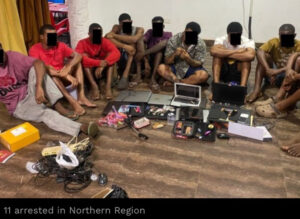 Ghana Police Arrest 11 Nigerians in Tamale Crackdown on Drugs, Cybercrime
 Malami Breaks Silence on INEC–ADC Dispute, Urges Calm Amid Political Tensions
 £746m Nigeria–UK Deal Sparks Debate Over Ajaokuta Steel’s Future
 FG Kicks Off 56km Ekiti–Osun Link Road to Boost Regional Trade
 Tinubu Condemns Plateau and Kaduna Attacks, Calls for Urgent Action Against Violence
 Tonto Dikeh Opens Up on Dark Past: From Cult Involvement to Spiritual Renewal
 Alleged Truck Tampering Lands Lagos Man in Court Over Theft Claims
 Senegal Tightens Anti-LGBTQ Laws, Doubles Prison Terms Amid Rights Concerns
Share this post with your friends on