











99.9% Households Yet To Receive FG’s Cash Transfer – World Bank
99.9% Households Yet To Receive FG’s Cash Transfer – World Bank
The World Bank has reported that approximately 99.9% of targeted poor and vulnerable households are yet to receive the Federal Government’s recently announced N25,000 per month cash handout.
According to The Times, data from the World Bank’s Lead Economist for Nigeria, Alex Sienaert, was presented last week in Abuja during the Nigeria Development Update, December 2023 edition.
The Federal Government intends to provide cash transfers to low-income households, paying N25,000 per month for three months, according to his presentation material.
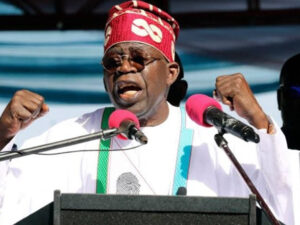
President Bola Tinubu introduced the Conditional Cash Transfer Program on October 17, 2023, with funding support of $800 million from the World Bank.
This program intends to assist 15 million Nigerian households that make less than N75,000 per month and are considered poor, near-poor, or vulnerable.
This indicates that even with the extreme poverty in the country, 99.9% of the targets have not received their monthly N25,000 cash transfers.
Nigeria’s poor and vulnerable have been disproportionately affected by the removal of fuel subsidies and other recent policies, despite the fact that they would substantially gain from a monthly cash transfer system that the Federal Government intends to fund with the World Bank loan.
Less than 1% of the poor and vulnerable individuals may not be eligible for the Federal Government’s cash distribution program, according to information previously released by the World Bank,.
Twenty percent of people possessing a valid national ID number from the National Identity Management Commission (NIMC) were supposed to be registered in the National Social Registry by June 30, 2022.
But as of December 31, 2022, just 0.10 percent of Nigerians listed as completely impoverished and vulnerable possessed a NIN.
This indicates that roughly only 9,670 of the 9.67 million (9,666,420) project beneficiaries are NIN holders.
In his presentation, the World Bank Lead Economist for Nigeria emphasized the part that NIN plays in the cash distribution program.
“To increase the use and coverage of the national identity number, beneficiaries will be encouraged to enrol for the NIN during the verification process.”
Therefore, it should come as no surprise that the Central Bank of Nigeria recently declared that, as of April 2024, all bank accounts that do not have a BVN and NIN will be set to “Post no Debit.”
Additionally, the apex bank declared that every BVN or NIN linked to and/or connected to accounts or wallets must be electronically revalidated by January 31, 2024.
The CBN claimed that this action is an effort to support national financial stability.
TRENDING SONGS
 Sanwo-Olu Tours Massive Tolu Education Hub Set to Transform Learning for 20,000 Lagos Students
 Ghana Police Arrest 11 Nigerians in Tamale Crackdown on Drugs, Cybercrime
 Malami Breaks Silence on INEC–ADC Dispute, Urges Calm Amid Political Tensions
 £746m Nigeria–UK Deal Sparks Debate Over Ajaokuta Steel’s Future
 FG Kicks Off 56km Ekiti–Osun Link Road to Boost Regional Trade
 Tinubu Condemns Plateau and Kaduna Attacks, Calls for Urgent Action Against Violence
 Tonto Dikeh Opens Up on Dark Past: From Cult Involvement to Spiritual Renewal
 Alleged Truck Tampering Lands Lagos Man in Court Over Theft Claims
 Senegal Tightens Anti-LGBTQ Laws, Doubles Prison Terms Amid Rights Concerns
 Infantino Watches Iran Friendly Amid World Cup Venue Uncertainty
Share this post with your friends on