












New Minimum Wage Requirements: list of states that did not have the capacity to pay minimum wage
New Minimum Wage Requirements: list of states that did not have the capacity to pay minimum wage

A recent report from Data Services and Resources (ADSR), a research firm, has highlighted that several states, including Benue, Osun, Oyo, Kogi, and Kano, may struggle to implement and finance a new minimum wage. Additional states identified as potentially facing difficulties include Yobe, Adamawa, Jigawa, Kebbi, Plateau, Nasarawa, and Ekiti.
Conversely, the report indicates that Lagos, Imo, and Zamfara are best positioned to meet the new wage requirements. The findings were published in ADSR’s report titled “The Nigerian New Minimum Wage: Implications for State Governments’ Budget Performance.” The Ibadan-based research institute used four criteria to assess each state’s ability to handle the new wage structure.
To evaluate the states’ capacity to finance a new minimum wage, ADSR considered the ratio of personnel expenditure to total expenditure, total revenue, internal revenue, and the states’ total debt stock. According to ADSR, states with a higher capacity to pay typically have a low ratio of personnel expenses to total expenditure, a low ratio of personnel expenses to revenue (particularly internally generated revenue), a low debt profile, and a relatively high elasticity of personnel cost contribution to future revenue and expenditure.
ADSR emphasized the necessity of a new minimum wage due to increasing pressures on workers’ disposable income, driven by various government reforms. The economists at ADSR argue that raising the minimum wage could positively impact states’ internal revenue through increased personal income tax collections. However, they also noted that a wage increase would elevate states’ total expenditure, primarily due to higher personnel costs, allowances, benefits, and overheads.
Additionally, the report suggests that state governments may need to invest in capital projects to align with the new wage levels and justify the need to raise taxes to support the increased spending.
Despite ongoing demands for a higher minimum wage, a 2023 report by BudgIT, a civic-tech organization, revealed that at least 15 states have not yet implemented the N30,000 minimum wage signed into law in 2019. This raises concerns about the feasibility of meeting further wage increases, particularly given the organized labor’s demand for a new minimum wage of N250,000.
ADSR proposed six strategies for Nigerian states to finance a new minimum wage, with the primary recommendations being to broaden the tax base and invest in a more efficient tax collection system.
TRENDING SONGS
 YOUNG FEMALE MORTICIAN REVEALS WHY MORTUARY ATTENDANTS KNOCK BEFORE ENTERING
 Sanwo-Olu Tours Massive Tolu Education Hub Set to Transform Learning for 20,000 Lagos Students
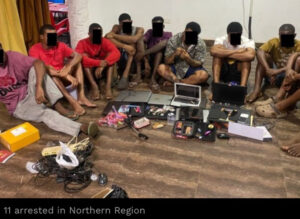 Ghana Police Arrest 11 Nigerians in Tamale Crackdown on Drugs, Cybercrime
 Malami Breaks Silence on INEC–ADC Dispute, Urges Calm Amid Political Tensions
 £746m Nigeria–UK Deal Sparks Debate Over Ajaokuta Steel’s Future
 FG Kicks Off 56km Ekiti–Osun Link Road to Boost Regional Trade
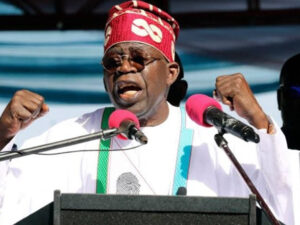 Tinubu Condemns Plateau and Kaduna Attacks, Calls for Urgent Action Against Violence
 Tonto Dikeh Opens Up on Dark Past: From Cult Involvement to Spiritual Renewal
 Alleged Truck Tampering Lands Lagos Man in Court Over Theft Claims
 Senegal Tightens Anti-LGBTQ Laws, Doubles Prison Terms Amid Rights Concerns
Share this post with your friends on