






Igbos Should Be Allowed to Take Part in Lagos Politics – Ohanaeze Leader
Igbos Should Be Allowed to Take Part in Lagos Politics – Ohanaeze Leader
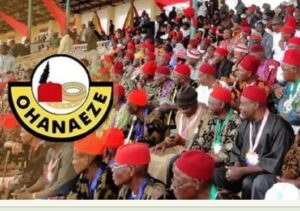
Dr. Solomon Ogbonna Aguene, President of Ohanaeze Ndigbo in Lagos State, has expressed deep concern over what he sees as the persistent political sidelining of the Igbo community in Lagos, despite their substantial economic contributions to the state.
In a statement made at his Ikoyi residence on Saturday, following an assessment of the local government elections, Dr. Aguene criticized the repeated exclusion of Igbos from participating fully in the political process. He alleged that members of the Igbo community are frequently denied both the right to vote and the opportunity to run for grassroots political offices such as councillor or local government chairman.
“Many Igbos living in Lagos are systematically denied the chance to exercise their voting rights,” he said. “This has become a pattern during every election. It’s not just about voting — they are also prevented from contesting for key political roles at the local level.”
Dr. Aguene pointed out the imbalance between the Igbos’ economic input in Lagos and their lack of political representation. While a few may hold minor positions like vice chairmanships in local councils, he argued that such tokenism does not reflect the depth of the community’s contribution to the state’s development.
“Our people are major investors in this city. They fuel the economy, yet they are shut out when it comes to decision-making,” he emphasized.
He further stated that such exclusion is at odds with democratic ideals, which are built on fairness, equity, and inclusive governance.
“When a system consistently denies certain groups a seat at the table, it’s hard to call it a democracy. What we see instead is a power structure dominated by opportunists,” he said. “The result is widespread voter apathy — people are tired of casting ballots that make no difference.”
Dr. Aguene didn’t hold back in his broader critique of governance in Nigeria, describing it as serving only a privileged minority. He highlighted the dire living conditions faced by ordinary Nigerians, including essential workers like journalists and security personnel, who struggle to meet basic needs.
“In this country, governance has become exclusive. The masses are suffering while a select few enjoy the benefits. Even workers in critical sectors can’t afford decent housing or provide for their families. The situation is dire.”
TRENDING SONGS
 YOUNG FEMALE MORTICIAN REVEALS WHY MORTUARY ATTENDANTS KNOCK BEFORE ENTERING
 Sanwo-Olu Tours Massive Tolu Education Hub Set to Transform Learning for 20,000 Lagos Students
 Ghana Police Arrest 11 Nigerians in Tamale Crackdown on Drugs, Cybercrime
 Malami Breaks Silence on INEC–ADC Dispute, Urges Calm Amid Political Tensions
 £746m Nigeria–UK Deal Sparks Debate Over Ajaokuta Steel’s Future
 FG Kicks Off 56km Ekiti–Osun Link Road to Boost Regional Trade
 Tinubu Condemns Plateau and Kaduna Attacks, Calls for Urgent Action Against Violence
 Tonto Dikeh Opens Up on Dark Past: From Cult Involvement to Spiritual Renewal
 Alleged Truck Tampering Lands Lagos Man in Court Over Theft Claims
 Senegal Tightens Anti-LGBTQ Laws, Doubles Prison Terms Amid Rights Concerns
Share this post with your friends on