







Taxing the Poor Won’t Bring Prosperity, Says Peter Obi
Taxing the Poor Won’t Bring Prosperity, Says Peter Obi
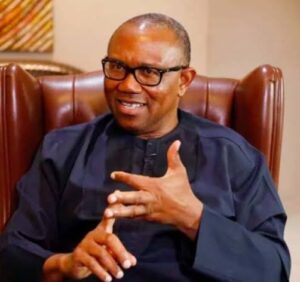
Peter Obi
Real prosperity, Peter Obi says, cannot be achieved by placing heavier taxes on a poor population. Drawing from his engagements with leaders across the world who have successfully transformed their countries, Obi notes that meaningful economic and social progress is built on national agreement, honest leadership, and a shared vision for the future.
According to him, leaders who deliver lasting change are transparent and truthful with their people. Government, he argues, must earn public trust by being open, accountable, and genuinely committed to the welfare of citizens. True leadership does not enrich a few at the expense of many but instead fosters unity, confidence, and collective purpose—the pillars of sustainable development.
Obi believes Nigeria’s current tax policies should be examined through this lens of honesty and fairness. For taxation to work as a social contract, citizens must clearly understand why they are being taxed, how it affects their income, and how the revenue will improve national development. Without openness and clear benefits, taxation becomes an added burden rather than a driver of growth.
He stresses that Nigeria must fundamentally rethink its fiscal strategy if it truly seeks economic expansion, unity, and shared prosperity. The goal of taxation, he says, should go beyond revenue generation to building a wealthier population and a stronger nation. However, many Nigerians today are asked to pay more taxes without clarity, explanation, or visible improvement in their living conditions.
Obi points to the empowerment of small and medium-sized enterprises as the real starting point for economic recovery. When small businesses succeed, employment rises, incomes grow, and government revenue increases naturally. In his words, poverty cannot be eliminated through taxation alone; it must be defeated through production.
He also expressed deep concern over reports surrounding alleged irregularities in recent tax legislation, describing the situation as troubling. According to Obi, claims that a tax law was altered after being passed—an issue reportedly acknowledged by the National Assembly—raise serious questions about transparency and accountability, especially when citizens are expected to bear higher tax burdens under such circumstances.
Obi warns against celebrating higher government earnings while ordinary Nigerians struggle more. He argues that taxing hardship does not create wealth but worsens suffering, and any tax system that leaves citizens poorer undermines the principles of good governance.
He concludes by calling for a lawful, fair, and people-focused tax framework—one that promotes production, supports enterprise, protects the most vulnerable, and rebuilds trust between the government and the people. Only such a system, he says, can make taxation a tool for growth, unity, and shared prosperity.
TRENDING SONGS
 YOUNG FEMALE MORTICIAN REVEALS WHY MORTUARY ATTENDANTS KNOCK BEFORE ENTERING
 Sanwo-Olu Tours Massive Tolu Education Hub Set to Transform Learning for 20,000 Lagos Students
 Ghana Police Arrest 11 Nigerians in Tamale Crackdown on Drugs, Cybercrime
 Malami Breaks Silence on INEC–ADC Dispute, Urges Calm Amid Political Tensions
 £746m Nigeria–UK Deal Sparks Debate Over Ajaokuta Steel’s Future
 FG Kicks Off 56km Ekiti–Osun Link Road to Boost Regional Trade
 Tinubu Condemns Plateau and Kaduna Attacks, Calls for Urgent Action Against Violence
 Tonto Dikeh Opens Up on Dark Past: From Cult Involvement to Spiritual Renewal
 Alleged Truck Tampering Lands Lagos Man in Court Over Theft Claims
 Senegal Tightens Anti-LGBTQ Laws, Doubles Prison Terms Amid Rights Concerns
Share this post with your friends on