












Why We Nigerians Must Insist on Real-Time Transmission of Election Results
Why  We Nigerians Must Insist on Real-Time Transmission of Election Results
In every democracy, elections are more than periodic rituals; they are the lifeblood of popular sovereignty. For Nigeria, a nation with a complex political history and a vibrant, youthful population, the integrity of elections determines not only who governs but also how citizens perceive the legitimacy of power. This is why Nigerians must firmly and consistently demand real-time transmission of election results.
Strengthening Electoral Transparency
At the heart of credible elections lies transparency. Real-time transmission of results directly from polling units to a central electronic server reduces the opportunities for manipulation during the collation process. When results are uploaded instantly, citizens, political parties, observers, and the media can track outcomes as they emerge.
The introduction of technologies such as the Bimodal Voter Accreditation System (BVAS) by the Independent National Electoral Commission marked a significant shift toward digitization. However, technology only achieves its purpose when it is fully and faithfully implemented. Real-time transmission closes the gap between votes cast and results announced, ensuring that what is recorded at the polling unit is what is eventually declared.
Reducing Post-Election Disputes
Nigeria’s electoral history has often been marred by disputes, litigations, and, in some cases, violence. Many of these conflicts arise from suspicions of result tampering during manual collation. When results are transmitted electronically and made publicly accessible in real time, the margin for doubt narrows.
Political parties and candidates can independently verify figures as they are uploaded. This transparency fosters acceptance of outcomes and reduces the burden on election tribunals. It also curbs misinformation, as verified results become available almost immediately after counting.
Restoring Public Confidence
Voter apathy remains a growing concern. Many Nigerians feel their votes do not count, a perception fueled by past irregularities. Insisting on real-time transmission of results sends a clear message that citizens expect accountability and fairness.
When voters trust the system, participation increases. Young people, who make up a significant portion of the electorate, are particularly tech-savvy and expect modern solutions. An election process that leverages technology effectively resonates with their expectations and encourages civic engagement.
Enhancing National Stability
Elections in Nigeria are high-stakes events. Delays in result announcements often heighten tension, fuel rumors, and create uncertainty. Real-time transmission helps shorten the window between voting and final declaration, reducing the likelihood of unrest.
Swift and transparent results also reassure investors and the international community about Nigeria’s democratic maturity. A stable political environment supports economic growth and national development.
Deepening Democratic Culture
Democracy is not sustained by institutions alone; it thrives on citizen vigilance. Nigerians must not view real-time transmission as a favor granted by electoral authorities but as a democratic right. The demand for transparent processes reflects a broader commitment to good governance.
Insisting on real-time transmission does not mean ignoring logistical challenges such as network coverage or cybersecurity concerns. Instead, it means urging authorities to address these challenges proactively. Adequate infrastructure, robust backup systems, and legal safeguards can make real-time reporting both feasible and secure.
A Collective Responsibility
The call for real-time transmission is not about partisan advantage. It is about protecting the sanctity of the ballot. Civil society organizations, the media, political parties, and ordinary citizens all have roles to play in advocating for reforms and monitoring compliance.
Ultimately, democracy works best when citizens remain engaged beyond election day. By insisting on real-time transmission of results, Nigerians affirm their belief in transparency, accountability, and the power of their collective voice.
If the ballot is the people’s voice, then real-time transmission ensures that voice is heard clearly, accurately, and without distortion.
TRENDING SONGS
 YOUNG FEMALE MORTICIAN REVEALS WHY MORTUARY ATTENDANTS KNOCK BEFORE ENTERING
 Sanwo-Olu Tours Massive Tolu Education Hub Set to Transform Learning for 20,000 Lagos Students
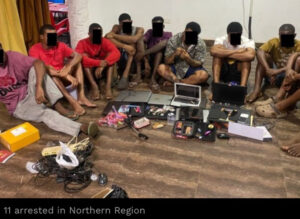 Ghana Police Arrest 11 Nigerians in Tamale Crackdown on Drugs, Cybercrime
 Malami Breaks Silence on INEC–ADC Dispute, Urges Calm Amid Political Tensions
 £746m Nigeria–UK Deal Sparks Debate Over Ajaokuta Steel’s Future
 FG Kicks Off 56km Ekiti–Osun Link Road to Boost Regional Trade
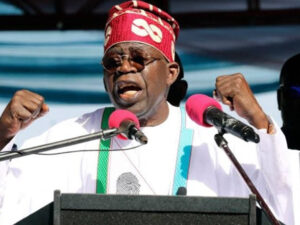 Tinubu Condemns Plateau and Kaduna Attacks, Calls for Urgent Action Against Violence
 Tonto Dikeh Opens Up on Dark Past: From Cult Involvement to Spiritual Renewal
 Alleged Truck Tampering Lands Lagos Man in Court Over Theft Claims
 Senegal Tightens Anti-LGBTQ Laws, Doubles Prison Terms Amid Rights Concerns
Share this post with your friends on