












Trump Rejects Immediate Peace Deal With Iran as War Escalates, Israel Launches Fresh Strikes
Trump Rejects Immediate Peace Deal With Iran as War Escalates, Israel Launches Fresh Strikes
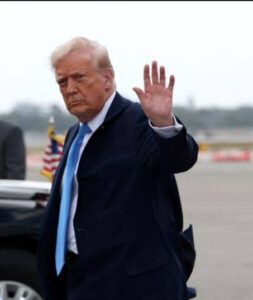
Donald Trump has said the United States is not yet prepared to negotiate a peace agreement with Iran, as fighting between the two sides alongside Israel continues to intensify across the region.
Speaking in an interview with NBC News, the US president said Washington believes Tehran is eager to negotiate but insisted that any deal must come under conditions favourable to the United States.
“Iran wants to make a deal, and I don’t want to make it because the terms aren’t good enough yet,” Trump said, indicating that US forces could continue military operations until better conditions are secured.
The remarks come more than two weeks into a conflict involving the US, Israel and Iran, which has triggered widespread destruction, rising casualties and disruption to global oil markets following the effective closure of the strategic Strait of Hormuz shipping route.
Rising Tensions and Military Threats
The crisis deepened as Israel Defense Forces announced a new round of strikes on targets in western Iran, while Iran’s powerful Islamic Revolutionary Guard Corps warned it would pursue and eliminate Israeli Prime Minister Benjamin Netanyahu.
Meanwhile, Iran’s newly appointed supreme leader, Ayatollah Mojtaba Khamenei, vowed in a written statement that Tehran would maintain its blockade of the Strait of Hormuz—one of the world’s most critical oil transit routes.
However, Trump cast doubt on the Iranian leader’s situation, saying US officials were uncertain about his status.
“I don’t know if he’s even alive. So far, nobody has been able to show him,” the US president said.
Iranian authorities have dismissed such speculation, maintaining that the new leader remains firmly in control.
Tehran Shows Signs of Normalcy
Despite the ongoing conflict, some areas of the Iranian capital, Tehran, have begun to show signs of a gradual return to daily life.
Traffic increased in several districts over the weekend, while some cafes, restaurants and market stalls reopened as residents prepared for Nowruz, the Persian New Year.
At the busy Tajrish Bazaar in northern Tehran, a number of shops resumed operations after remaining closed during the early days of the conflict.
Passengers were also seen waiting at bus stops and withdrawing cash from ATMs, although banking services at Bank Melli—one of Iran’s largest financial institutions—have experienced disruptions.
Global Concerns Over Oil Supply
Trump has also floated the idea of a multinational naval mission to escort oil tankers through the Strait of Hormuz in order to stabilise global oil supply and ease pressure on international markets.
In a social media post, he suggested that countries heavily reliant on Middle East oil—including China, France, Japan, South Korea and the United Kingdom—should consider deploying ships to support such an operation.
Officials in several countries have responded cautiously. The UK’s defence ministry said it was discussing potential responses with international partners, while South Korean authorities confirmed they were closely monitoring developments.
Escalating Military Operations
Regional tensions continued to rise on Sunday after Bahrain and Saudi Arabia reported intercepting incoming projectiles during renewed hostilities in the Gulf region. Authorities in Dubai also confirmed air defence systems had intercepted missiles following warnings issued by Iran’s military to avoid port areas.
Earlier, US forces carried out strikes on Iran’s key oil hub, Kharg Island, although officials from both sides confirmed that the attacks targeted military installations rather than the oil export terminals themselves.
According to figures from Iran’s health ministry, more than 1,200 people have been killed in the ongoing air campaign, though the numbers have not been independently verified. The United Nations High Commissioner for Refugees estimates that over 3.2 million people have been displaced since the conflict began.
The United States Department of Defense said more than 15,000 targets have been struck by US and Israeli forces across Iran.
US media outlets also reported that the Pentagon has deployed the amphibious assault ship USS Tripoli along with approximately 2,500 US Marines to the region to reinforce American military presence.
The escalating crisis has drawn global concern, with analysts warning that prolonged fighting could destabilise energy markets and further intensify geopolitical tensions worldwide. Reports by Nigerian media organisations such as Punch Newspapers and Vanguard Newspapers have also highlighted the potential economic impact of the conflict on oil-dependent economies.
TRENDING SONGS
 YOUNG FEMALE MORTICIAN REVEALS WHY MORTUARY ATTENDANTS KNOCK BEFORE ENTERING
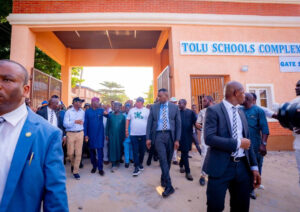 Sanwo-Olu Tours Massive Tolu Education Hub Set to Transform Learning for 20,000 Lagos Students
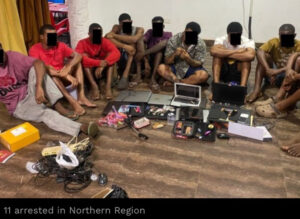 Ghana Police Arrest 11 Nigerians in Tamale Crackdown on Drugs, Cybercrime
 Malami Breaks Silence on INEC–ADC Dispute, Urges Calm Amid Political Tensions
 £746m Nigeria–UK Deal Sparks Debate Over Ajaokuta Steel’s Future
 FG Kicks Off 56km Ekiti–Osun Link Road to Boost Regional Trade
 Tinubu Condemns Plateau and Kaduna Attacks, Calls for Urgent Action Against Violence
 Tonto Dikeh Opens Up on Dark Past: From Cult Involvement to Spiritual Renewal
 Alleged Truck Tampering Lands Lagos Man in Court Over Theft Claims
 Senegal Tightens Anti-LGBTQ Laws, Doubles Prison Terms Amid Rights Concerns
Share this post with your friends on