












DSS To Arraign Former Kaduna Governor El-Rufai Over Cybercrime, National Security Charges Next Wednesday
 DSS To Arraign Former Kaduna Governor El-Rufai Over Cybercrime, National Security Charges Next Wednesday
Nigeria’s domestic intelligence agency, the Department of State Services (DSS), is set to arraign former Kaduna State governor, Nasir El-Rufai, next Wednesday over allegations bordering on cybercrime and threats to national security.
Sources familiar with the development disclosed that the charges were filed after weeks of investigation into statements and digital communications allegedly linked to the former governor. The DSS is expected to present multiple counts before a Federal High Court, detailing claims that certain online publications and electronic transmissions violated existing cybercrime laws and posed risks to public order.
Nature of the Charges
Though full details of the charge sheet have not been made public, insiders say the case centers on alleged misuse of digital platforms to circulate materials considered inflammatory and capable of inciting unrest. Authorities reportedly argue that such actions fall within the scope of offenses under Nigeria’s cybercrime and national security statutes.
Legal analysts note that cyber-related prosecutions involving high-profile political figures are relatively rare and often attract intense public scrutiny. Observers say the case could test the boundaries between free speech, political expression, and national security considerations.
Political Reactions
The development has triggered mixed reactions across the political landscape. Supporters of El-Rufai described the move as politically motivated, insisting that the former governor has the constitutional right to express his views. Critics, however, maintain that no individual is above the law and that allegations touching on national security must be thoroughly examined in court.
During his tenure as governor of Kaduna State from 2015 to 2023, El-Rufai was known for his outspoken style and firm positions on governance and security matters. Since leaving office, he has remained an influential voice in national discourse.
Legal Process Ahead
Under Nigerian law, an arraignment marks the formal reading of charges before a defendant, who is then required to enter a plea. If the court admits the charges, proceedings may proceed to trial, subject to bail applications and preliminary objections from the defense.
The DSS has yet to release an official statement outlining the specifics of the case, but court officials confirmed that the matter has been scheduled for hearing next Wednesday.
As the date approaches, attention is likely to intensify around the proceedings, with many viewing the case as a significant moment in the intersection of politics, digital communication, and national security in Nigeria.
For now, all eyes remain on the courtroom, where the allegations will be tested against the weight of evidence and the provisions of the law.
TRENDING SONGS
 Sanwo-Olu Tours Massive Tolu Education Hub Set to Transform Learning for 20,000 Lagos Students
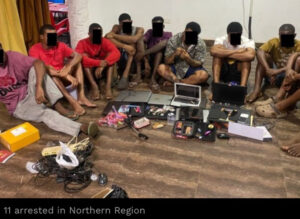 Ghana Police Arrest 11 Nigerians in Tamale Crackdown on Drugs, Cybercrime
 Malami Breaks Silence on INEC–ADC Dispute, Urges Calm Amid Political Tensions
 £746m Nigeria–UK Deal Sparks Debate Over Ajaokuta Steel’s Future
 FG Kicks Off 56km Ekiti–Osun Link Road to Boost Regional Trade
 Tinubu Condemns Plateau and Kaduna Attacks, Calls for Urgent Action Against Violence
 Tonto Dikeh Opens Up on Dark Past: From Cult Involvement to Spiritual Renewal
 Alleged Truck Tampering Lands Lagos Man in Court Over Theft Claims
 Senegal Tightens Anti-LGBTQ Laws, Doubles Prison Terms Amid Rights Concerns
 Infantino Watches Iran Friendly Amid World Cup Venue Uncertainty
Share this post with your friends on