












Experts Warn of High Child Mortality in Nigeria; Give Reasons
Experts Warn of High Child Mortality in Nigeria; Give Reasons
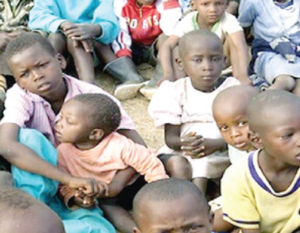
Medical experts are sounding alarms about Nigeria’s troubling infant health statistics, attributing a significant portion of the high under-five mortality rate to pneumonia. The disease claims the lives of approximately 100,000 children annually, with many fatalities occurring within the first year of life.
These health professionals emphasize that without a targeted approach to combat pneumonia, Nigeria will struggle to improve its infant health indicators. Currently, pneumonia and other deadly childhood illnesses contribute to an alarming death rate of 132 per 1,000 live births.
To align with the goals of the Integrated Global Action Plan for the Prevention and Control of Pneumonia and Diarrhoea, experts stress that Nigeria needs to reduce pneumonia-related child deaths to at least 26,000 by 2030. The National Child Health Policy aims to ensure the survival, growth, and development of Nigerian children, but progress has been slow.
UNICEF defines childhood pneumonia as a severe respiratory infection affecting the lungs. Despite ongoing efforts, Nigeria’s infant and under-five mortality rates remain troubling at 74 and 117 deaths per 1,000 live births, respectively.
The Federal Ministry of Health’s National Integrated Pneumonia Control Strategy and Implementation Plan 2019 underscores the importance of improving newborn and child health as a means to save lives and enhance the country’s overall health outcomes. Reducing under-five mortality is critical for Nigeria to fully realize its economic and social potential.
In interviews with FIRST CLASS GISTS, experts highlighted the lag in addressing pneumonia compared to other child health priorities. They argue that more focus is needed to tackle this persistent issue.
Professor Gregory Erhabor from Obafemi Awolowo University noted that pneumonia continues to be a major cause of infant mortality, particularly among those under five. He criticized the reactive approach of many state governments and called for consistent and comprehensive policies to address the disease. According to Erhabor, a proactive approach, like that seen in countries such as the UK, is essential for meeting health goals and improving public health.
Erhabor also pointed to the issue of doctor emigration, which exacerbates the shortage of skilled healthcare workers in Nigeria. He stressed that effective health policies require not just development but rigorous implementation and evaluation.
Professor Olufunke Adeyeye, a pulmonologist at Lagos State University Teaching Hospital, emphasized the need for a policy overhaul to better engage stakeholders and healthcare professionals in managing lung health. She noted that addressing pneumonia could significantly advance child health awareness and access to care. Adeyeye identified key respiratory conditions, including asthma, Chronic Obstructive Pulmonary Disease, pneumonia, tuberculosis, and lung cancer, as major health concerns that need to be addressed.
In summary, experts argue that a unified and sustained approach is necessary to combat pneumonia and reduce child mortality in Nigeria.
TRENDING SONGS
 Sanwo-Olu Tours Massive Tolu Education Hub Set to Transform Learning for 20,000 Lagos Students
 Ghana Police Arrest 11 Nigerians in Tamale Crackdown on Drugs, Cybercrime
 Malami Breaks Silence on INEC–ADC Dispute, Urges Calm Amid Political Tensions
 £746m Nigeria–UK Deal Sparks Debate Over Ajaokuta Steel’s Future
 FG Kicks Off 56km Ekiti–Osun Link Road to Boost Regional Trade
 Tinubu Condemns Plateau and Kaduna Attacks, Calls for Urgent Action Against Violence
 Tonto Dikeh Opens Up on Dark Past: From Cult Involvement to Spiritual Renewal
 Alleged Truck Tampering Lands Lagos Man in Court Over Theft Claims
 Senegal Tightens Anti-LGBTQ Laws, Doubles Prison Terms Amid Rights Concerns
 Infantino Watches Iran Friendly Amid World Cup Venue Uncertainty
Share this post with your friends on