












Lekki Port Dominates as Nigeria’s Cargo Throughput Surges 24.8% in 2025
Lekki Port Dominates as Nigeria’s Cargo Throughput Surges 24.8% in 2025
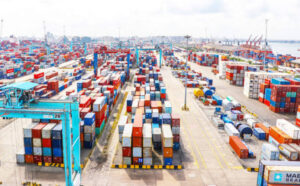
Nigeria’s maritime industry delivered one of its strongest performances in recent years in 2025, with total cargo throughput rising sharply and container traffic hitting new highs, according to the latest operational data released by the Nigerian Ports Authority (NPA).
The report shows that overall cargo volumes climbed by 24.8 percent, increasing from approximately 103.6 million metric tonnes in 2024 to more than 129.3 million metric tonnes in 2025. The growth marks a significant expansion in port activity and signals renewed momentum in the country’s trade ecosystem.
NPA Managing Director, Abubakar Dantsoho, described the performance as a defining moment for Nigeria’s maritime sector, noting that the improved figures enhance the country’s standing in regional and international trade.
Imports accounted for the bulk of cargo traffic at 59.2 percent, while exports contributed 39 percent an indication of steady progress in efforts to broaden the country’s export base beyond crude oil. Transshipment activities made up 1.8 percent of the total cargo handled during the year.
Container traffic, widely regarded as a barometer of trade and industrial activity, rose by 25.7 percent to exceed 2.1 million Twenty-foot Equivalent Units (TEUs). Import containers increased by 32.8 percent, exports recorded a 3.1 percent rise, while transshipment containers posted an exceptional 205.8 percent surge, reinforcing Nigeria’s growing role as a logistics hub for West and Central Africa.
Among the nation’s ports, Lekki Port emerged as the leading facility, handling 40.6 percent of total cargo throughput. Onne Port followed with 19.1 percent, while Apapa Port accounted for 16.7 percent. Lekki also accommodated the largest vessels, with an average Gross Registered Tonnage (GRT) of 55,712, slightly ahead of Onne’s 53,022 GRT. Tin Can Island Port recorded the highest frequency of ship calls at 22.7 percent.
In total, vessel traffic rose by nearly 12 percent, reaching 4,477 ship calls within the year. Liquid bulk cargo remained dominant, representing 54.7 percent of total throughput, while containerized cargo accounted for 24 percent. Industry observers note that the increasing size of vessels calling at Nigerian ports reflects ongoing improvements in infrastructure and alignment with global shipping standards.
The rise in transshipment cargo, particularly containerized goods routed to other African destinations, further underscores Nigeria’s expanding influence as a regional maritime gateway. The trend is expected to strengthen revenue generation and solidify the country’s strategic position within continental trade networks.
Looking ahead, the NPA leadership expressed optimism that planned reforms and modernization initiatives including berth deepening, quay rehabilitation, expanded cargo-handling facilities, and the rollout of the National Single Window system will enhance operational efficiency, improve turnaround times, and sustain growth momentum.
The 2025 performance places Lekki Port and Nigeria’s broader port system at the centre of the nation’s economic diversification drive and deepening integration into global supply chains.
TRENDING SONGS
 Turaki Moves to Quash Arrest Order Amid PDP Faction Tensions
 Oyo Orders Traders, Drivers to Relocate to Iwo Road Bus Terminal to Ease Traffic
 ICPC Tracks Over N21tn in Works Ministry Projects to Strengthen Accountability
 CBN Clamps Down on Loan Defaulters, Bars Chronic Borrowers from Banking Services
 Senegal to Flaunt AFCON Trophy Despite CAF Ruling, Legal Battle Looms
 Over 8,000 Delegates Set for APC Convention as Party Stands Firm on Zoning Formula
 Joke Silva Heads Jury as AMVCAs Return for 12th Edition with New Categories
 Court Clears Ex-Aviation Minister Stella Oduah in N2.5bn Fraud Case
 CBN Scraps Cash Pool Rule for Oil Firms, Signals Fresh FX Market Flexibility
 EFCC Seizes Malami’s Abuja Home Amid Ongoing Legal Battle
Share this post with your friends on