












Nigeria Among Fastest African Economies to Reach $100bn GDP, IMF Data Shows
Nigeria Among Fastest African Economies to Reach $100bn GDP, IMF Data Shows
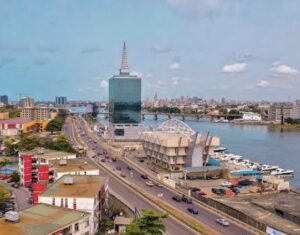
Several African countries have crossed the $100 billion gross domestic product (GDP) threshold since gaining independence, with resource-rich economies reaching the milestone more rapidly than others, according to recent economic data compiled by Intelpoint using figures from the International Monetary Fund (IMF).
The analysis, highlighted by Business Insider Africa, ranks African nations based on how quickly they expanded their economies to the $100 billion mark.
Nigeria emerged among the fastest, reaching the milestone approximately 34 years after independence. Angola followed after about 36 years, while Algeria attained the level in roughly 43 years.
Other countries took longer to achieve the same economic size. Morocco reached the benchmark in about 52 years, Kenya in 56 years, and South Africa in 57 years. Egypt required about 67 years, Ghana 68 years, while Ethiopia achieved the milestone after roughly 81 years.
In contrast, nations such as Morocco and Kenya followed a slower but more diversified route to the same milestone. Their economies have been supported by sectors including manufacturing, tourism, agriculture, services and technology.
South Africa, which crossed the $100 billion mark in 1988, benefited from a broad economic base anchored by mining, financial services and industrial production.
Egypt’s expansion has been driven by multiple sectors, including tourism, manufacturing, agriculture and revenue generated from the Suez Canal.
Ghana reached the $100 billion GDP level in 2025 through a combination of gold and cocoa exports, emerging oil production and economic reforms, while Ethiopia achieved the milestone in 2022 following years of infrastructure expansion and investment in industrial parks.
While reaching $100 billion in GDP is widely seen as an indicator of economic scale and market potential, analysts stress that it does not automatically translate into widespread prosperity.
Experts argue that other indicators such as income per capita, employment levels, productivity, export diversification and institutional strength provide a clearer picture of long-term economic health.
Some countries that rapidly reached the milestone continue to face challenges including unemployment, inequality and infrastructure deficits, while others that grew more gradually have developed more balanced economic structures.
Economic observers say the key challenge for African economies is not only reaching the $100 billion benchmark but sustaining growth beyond it.
Moving from a $100 billion economy to a $500 billion one, they say, will depend on deeper industrialisation, value addition to raw materials, stronger regional trade integration and investment in human capital.
For many African nations, the next stage of development will hinge on building resilient economic systems capable of sustaining growth beyond commodity cycles.
TRENDING SONGS
 Turaki Moves to Quash Arrest Order Amid PDP Faction Tensions
 Oyo Orders Traders, Drivers to Relocate to Iwo Road Bus Terminal to Ease Traffic
 ICPC Tracks Over N21tn in Works Ministry Projects to Strengthen Accountability
 CBN Clamps Down on Loan Defaulters, Bars Chronic Borrowers from Banking Services
 Senegal to Flaunt AFCON Trophy Despite CAF Ruling, Legal Battle Looms
 Over 8,000 Delegates Set for APC Convention as Party Stands Firm on Zoning Formula
 Joke Silva Heads Jury as AMVCAs Return for 12th Edition with New Categories
 Court Clears Ex-Aviation Minister Stella Oduah in N2.5bn Fraud Case
 CBN Scraps Cash Pool Rule for Oil Firms, Signals Fresh FX Market Flexibility
 EFCC Seizes Malami’s Abuja Home Amid Ongoing Legal Battle
Share this post with your friends on