








Political Shockwave: Atiku Steps Aside, Backs Peter Obi for One-Term Presidency
Political Shockwave: Atiku Steps Aside, Backs Peter Obi for One-Term Presidency

Nigeria’s political landscape has been jolted by a dramatic development as former Vice President Atiku Abubakar announced his withdrawal from the 2027 presidential race, throwing his weight behind Labour Party leader Peter Obi for a single-term presidency. The unexpected move has sparked widespread debate, reshaped political calculations, and signaled a possible realignment ahead of the next general elections.
Atiku, a long-standing figure in Nigerian politics and a multiple-time presidential contender, framed his decision as one driven by national interest rather than personal ambition. In a statement addressing party leaders and supporters, he emphasized the need for unity, generational transition, and a focused leadership capable of stabilizing the country and setting it on a sustainable path of growth. By stepping aside, Atiku positioned himself as a statesman willing to sacrifice personal aspirations for what he described as the “greater good of Nigeria.”
His endorsement of Peter Obi is particularly significant. Obi, known for his emphasis on fiscal discipline, transparency, and youth inclusion, has cultivated a strong following, especially among younger voters and urban professionals. The backing of Atiku not only broadens Obi’s political reach but also bridges constituencies that have traditionally been divided along party and regional lines. Analysts say this alliance could reshape voter expectations and alter long-standing political loyalties.
Central to the endorsement is the agreement on a single-term presidency. According to sources close to the discussions, the one-term arrangement is intended to reassure skeptics, promote power rotation, and focus governance on urgent reforms rather than re-election politics. Supporters argue that such an approach could allow a future administration to concentrate on economic recovery, security challenges, and institutional reforms without the distraction of prolonged political maneuvering.
Reactions across the political spectrum have been swift and mixed. Allies of the endorsement see it as a bold and strategic move that could strengthen opposition unity and present a credible alternative to the ruling establishment. Critics, however, question the feasibility of a single-term pledge and argue that endorsements alone do not guarantee electoral success in Nigeria’s complex political environment.
Regardless of differing opinions, one thing is clear: Atiku’s decision has injected new energy and uncertainty into the race for 2027. As political parties recalibrate and voters reassess their options, the Atiku–Obi alliance stands as a defining moment—one that could influence not only the next election but the broader direction of Nigeria’s democracy in the years ahead.
TRENDING SONGS
 YOUNG FEMALE MORTICIAN REVEALS WHY MORTUARY ATTENDANTS KNOCK BEFORE ENTERING
 Sanwo-Olu Tours Massive Tolu Education Hub Set to Transform Learning for 20,000 Lagos Students
 Ghana Police Arrest 11 Nigerians in Tamale Crackdown on Drugs, Cybercrime
 Malami Breaks Silence on INEC–ADC Dispute, Urges Calm Amid Political Tensions
 £746m Nigeria–UK Deal Sparks Debate Over Ajaokuta Steel’s Future
 FG Kicks Off 56km Ekiti–Osun Link Road to Boost Regional Trade
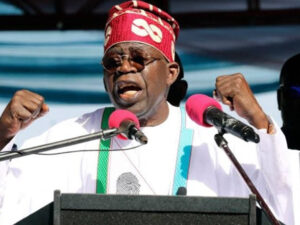 Tinubu Condemns Plateau and Kaduna Attacks, Calls for Urgent Action Against Violence
 Tonto Dikeh Opens Up on Dark Past: From Cult Involvement to Spiritual Renewal
 Alleged Truck Tampering Lands Lagos Man in Court Over Theft Claims
 Senegal Tightens Anti-LGBTQ Laws, Doubles Prison Terms Amid Rights Concerns
Share this post with your friends on