












See the Billions of Naira FG Allocates for Food Palliatives in 2024 to Combat Hunger Crisis
See the Billions of Naira FG Allocates for Food Palliatives in 2024 to Combat Hunger Crisis
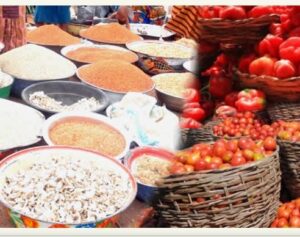
In 2024, the Federal Government has spent a total of ₦9.74 billion on the procurement and distribution of food items as part of efforts to alleviate the impact of the ongoing food crisis in Nigeria.
The expenditure was detailed on the GovSpend platform, which is managed by the civic-tech organization BudgIT, known for its work in promoting transparency and accountability in government spending.
A large portion of the funds was directed toward supplying essential food items such as rice, beans, maize, and other staples to vulnerable communities across the country. The Federal Ministry of Agriculture and Food Security took the lead in overseeing these initiatives, with several payments made to contractors for the emergency distribution of food palliatives to different federal constituencies.
Significant payments were made for the supply of rice, beans, and gari, aimed at alleviating hunger in underserved areas. Each federal constituency received around ₦85.45 million between February and November 2024, with similar amounts allocated to regions including Kano, Ogun, Osun, Akwa Ibom, Cross River, Adamawa, Kaduna, Jigawa, Ekiti, Oyo, Lagos, Bauchi, Rivers, Borno, Sokoto, and Enugu. This brought the total cost of the program to ₦9.74 billion.
However, despite the considerable financial commitment, experts have questioned the long-term impact of the initiative in addressing the underlying causes of food insecurity in the country.
Shedrach Israel, an economist at Lotus Beta Analytics, emphasized that while food palliatives can address immediate hunger, they fail to tackle deeper, systemic issues like inflation and deficiencies in Nigeria’s agricultural infrastructure.
“Food palliatives, though essential for providing temporary relief, do not resolve the core problems such as rising food prices and inefficiencies in local agricultural systems,” Israel explained. “What Nigeria needs are sustainable policies that boost local agricultural output and enhance distribution channels, reducing the need for external food aid.”
Similarly, agricultural economist La’ah Dauda, based in Kaduna, called for a more comprehensive approach to addressing the food crisis. He argued that while palliative measures are necessary, they do not address the critical issues limiting agricultural productivity, such as poor irrigation, inadequate storage facilities, and limited access to markets.
“The government’s focus on food palliatives is a stopgap measure. To tackle food insecurity in the long term, we must address the underlying agricultural challenges that continue to hinder production and food distribution across the country,” Dauda said.
TRENDING SONGS
 FG Kicks Off 56km Ekiti–Osun Link Road to Boost Regional Trade
 Tinubu Condemns Plateau and Kaduna Attacks, Calls for Urgent Action Against Violence
 Tonto Dikeh Opens Up on Dark Past: From Cult Involvement to Spiritual Renewal
 Alleged Truck Tampering Lands Lagos Man in Court Over Theft Claims
 Senegal Tightens Anti-LGBTQ Laws, Doubles Prison Terms Amid Rights Concerns
 Infantino Watches Iran Friendly Amid World Cup Venue Uncertainty
 El-Rufai Returns to ICPC Custody After Mother’s Burial, Faces Fresh Court Proceedings
 Kwankwaso Says Plateau Bloodshed is a National Emergency
 Breaking: Senate Swiftly Clears Tinubu’s $6bn Loan Plan Amid Fiscal Pressures
 Tinubu Seeks Senate Backing for ₦9tn Budget Increase, Targets Fiscal Stability
Share this post with your friends on