












Shockwaves in Nigeria’s Mall Economy as Shoprite Shuts Stores After Two Decades
Shockwaves in Nigeria’s Mall Economy as Shoprite Shuts Stores After Two Decades
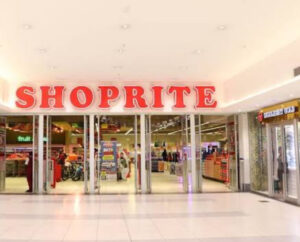
Nigeria’s modern retail sector has been dealt a major blow following the nationwide shutdown of Shopritesupermarkets after nearly 20 years of operations, a development analysts say could significantly disrupt a mall economy estimated at about ₦2.5 trillion.
The exit of the retail chain has left empty storefronts across several cities and triggered a ripple effect that is affecting employees, suppliers, small businesses and shoppers who depended on the supermarket as a central hub for commercial activity.
Industry observers estimate that as much as ₦1.4 trillion in economic activity may have been impacted by the collapse of the supermarket’s operations and the chain of businesses linked to it.
For years, Shoprite served as a major buyer of food items, beverages, household goods and locally manufactured products, supporting supply chains that involved farmers, distributors and manufacturers. The shutdown has therefore disrupted not only direct employment but also numerous small and medium-scale businesses that relied on the supermarket’s bulk purchases.
Many shopping malls across the country were built around the presence of the retail giant as an anchor tenant, attracting customers whose visits often benefited nearby boutiques, pharmacies, restaurants, electronics outlets and cinemas. With the supermarkets closed, many of those businesses now report a sharp drop in customer traffic and declining revenues.
The retail chain first entered the Nigerian market in 2005 and gradually expanded to about 25 outlets in multiple states, transforming grocery shopping by introducing large-scale supermarket experiences that became popular among urban households.
However, the company began facing mounting operational pressures in recent years. Retail insiders point to foreign exchange shortages, rising import costs, supply chain disruptions and inflation as major factors that strained the business.
In 2021, Shoprite Holdings of South Africa sold its Nigerian operations to a local investor group led by Persianas Investment Limited, placing the business under the management of Retail Supermarkets Nigeria Limited while retaining franchise ties with the parent brand.
Initially, the transition appeared to restore confidence, with festive seasons bringing crowds back into stores and gift vouchers becoming popular among shoppers. But by 2024, customers began noticing persistent stock shortages in several outlets, with supermarket shelves gradually emptying and some branches scaling down operations.
By late 2025 and early 2026, multiple locations in cities including Lagos, Ibadan, Kano and Abuja had closed their doors, leaving once-busy shopping spaces largely deserted.
The closure has had serious consequences for workers. Former employees across different branches say the sudden loss of jobs forced many to seek alternative means of income, including small retail businesses and informal services.
Local suppliers have also been affected. Producers who previously relied on the supermarket to purchase goods in bulk now face reduced demand and are searching for new distribution channels to sustain their businesses.
Within malls that once housed the retail chain, business owners say customer traffic has fallen sharply. Some tenants have downsized staff, while others have reduced operating hours or shut down completely due to declining sales.
Despite the closures, company representatives insist the brand is not permanently leaving the Nigerian market. According to management officials, the move is part of a broader restructuring intended to redesign the business model in response to economic conditions.
For now, however, the immediate impact remains visible across several shopping complexes where empty spaces and quieter walkways have replaced the crowds that once gathered around the supermarket aisles.
Many business owners and former workers say they are holding on to hope that new retail operators will eventually occupy the vacant spaces and revive commercial activity within the malls. Until then, the shutdown continues to cast uncertainty over a sector that once symbolised the growth of Nigeria’s modern retail economy.
TRENDING SONGS
 Turaki Moves to Quash Arrest Order Amid PDP Faction Tensions
 Oyo Orders Traders, Drivers to Relocate to Iwo Road Bus Terminal to Ease Traffic
 ICPC Tracks Over N21tn in Works Ministry Projects to Strengthen Accountability
 CBN Clamps Down on Loan Defaulters, Bars Chronic Borrowers from Banking Services
 Senegal to Flaunt AFCON Trophy Despite CAF Ruling, Legal Battle Looms
 Over 8,000 Delegates Set for APC Convention as Party Stands Firm on Zoning Formula
 Joke Silva Heads Jury as AMVCAs Return for 12th Edition with New Categories
 Court Clears Ex-Aviation Minister Stella Oduah in N2.5bn Fraud Case
 CBN Scraps Cash Pool Rule for Oil Firms, Signals Fresh FX Market Flexibility
 EFCC Seizes Malami’s Abuja Home Amid Ongoing Legal Battle
Share this post with your friends on