












$750m World Bank Fund to Power 5.2 Million Homes, Boost Renewable Energy in Nigeria”
$750m World Bank Fund to Power 5.2 Million Homes, Boost Renewable Energy in Nigeria”
The Federal Government is set to expand electricity access to 5.2 million Nigerians by June 2026 under a $750 million intervention supported by the World Bank, officials have disclosed. The initiative, known as the Distributed Access through Renewable Energy Scale-up (DARES) Project, seeks to accelerate electricity provision across households and small businesses through renewable energy solutions.
According to the latest Implementation Status and Results Report from the World Bank, the DARES programme has already achieved notable milestones, with over 3.6 million Nigerians benefiting from electricity access as of March 2026. The report highlights that approximately $422.2 million of the total funds has been fully committed, while 9 per cent of the programme’s financing has been disbursed.
“The project is on track to connect 5.2 million people to electricity by June 2026,” the report stated, noting that this milestone surpasses earlier projections and exceeds the Mission 300 end-of-financial-year target of 3.2 million beneficiaries.
The World Bank emphasised that the project is designed to serve both households and Micro, Small, and Medium Enterprises (MSMEs) through private-sector-led distributed renewable energy systems. Key components of the initiative include solar hybrid mini-grids, standalone solar systems, and technical assistance aimed at improving project implementation and sustainability.
“DARES has already delivered measurable results in renewable energy capacity, which rose to 38.76 megawatts as of March 2026, against a long-term target of 465 megawatts,” the report noted. Thousands of households and businesses have been connected via solar home systems and mini-grid solutions, while efforts continue to mobilise private investment and strengthen regulatory frameworks.
Despite the progress, the World Bank maintained that the project faces substantial risks, citing macroeconomic instability, governance concerns, and institutional capacity challenges. The programme is expected to continue through December 2028, financed under multiple windows of the International Development Association (IDA).
Nigeria relies heavily on concessional funding for infrastructure projects. Data from the Debt Management Officeshows that as of September 30, 2025, the country’s exposure to the World Bank Group stood at $19.54 billion, representing over 40 per cent of Nigeria’s total external debt stock of $48.46 billion.
Local media outlets, including The Guardian Nigeria and Vanguard, have reported that the DARES initiative reflects the government’s commitment to leveraging renewable energy to close the nation’s electricity gap, particularly in underserved communities. The project also aligns with broader efforts to reduce dependence on fossil fuels and promote sustainable development.
TRENDING SONGS
 Kwankwaso’s Son Dumps NNPP, Moves Toward ADC in Fresh Political Realignment
 PDP Crisis Escalates: Governors’ Bloc Slams Wike Convention, Heads to Supreme Court Showdown
$750m World Bank Fund to Power 5.2 Million Homes, Boost Renewable Energy in Nigeria”
PDP Crisis Escalates: Governors’ Bloc Slams Wike Convention, Heads to Supreme Court Showdown
$750m World Bank Fund to Power 5.2 Million Homes, Boost Renewable Energy in Nigeria”
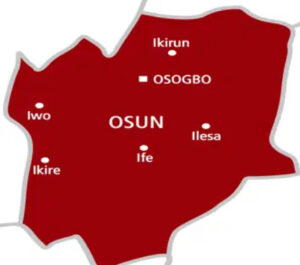 Fierce Storm Ravages Osogbo, Leaves Residents Homeless
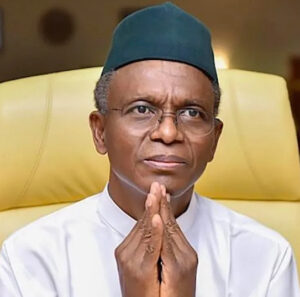 Political Heavyweights Unite in Abuja for Hajiya Umma El-Rufai’s Final Farewell
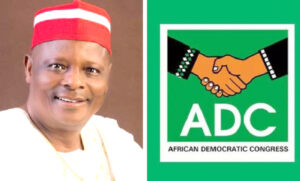 Kwankwaso Defects to ADC, Sparks Talks of Obi Alliance Ahead of 2027 Elections
 Wike Blasts Defecting Governors, Says ‘You Failed the Leadership Test’
 “We’re Back on the Ballot” — Saraki Declares PDP Ready for 2027
 Wike Blasts Obi’s Defection, Says True Leaders Don’t Walk Away from Crisis
 Only Efficient DisCos Will Survive 2028 Licence Renewal — Adelabu
Share this post with your friends on