












Only Efficient DisCos Will Survive 2028 Licence Renewal — Adelabu
Only Efficient DisCos Will Survive 2028 Licence Renewal — Adelabu

Minister of Power, Adebayo Adelabu, made this known in Abuja while presenting a performance review of the Nigerian Electricity Supply Industry (NESI), stressing that future renewals would be strictly tied to measurable service delivery standards.
According to BusinessDay, Adelabu said the government is already reviewing existing performance frameworks to ensure that operators in the distribution segment deliver improved electricity supply and infrastructure upgrades. He noted that the next licensing phase would mark a “fresh deal” for the sector.
He explained that although DisCos were initially expected to meet certain targets following their privatisation in 2013, many fell short, leading to disputes between operators and the government. However, the current administration, he said, has introduced new benchmarks and support mechanisms to reposition the sector.
Part of that support includes intervention programmes such as the Distribution Sector Recovery Programme (DISREP) and the Presidential Power Initiative (PPI), both aimed at strengthening infrastructure, improving metering, and enhancing service delivery. The Punch reports that these initiatives are designed to boost efficiency while ensuring that operators have access to financing at favourable terms.
Adelabu maintained that despite these interventions, underperforming DisCos would not be allowed to continue business as usual. “It is those that can demonstrate capacity and commitment to meet the required standards that will be considered for licence renewal,” he said.
The minister also expressed optimism that power supply would improve in the near term, linking recent challenges to disruptions in gas supply. He disclosed that ongoing repairs of critical gas pipelines, particularly those affecting major suppliers, are expected to restore stability within weeks.
Nigeria’s power sector continues to grapple with liquidity constraints, with generating companies owed trillions of naira. Adelabu revealed that a significant portion of these debts is tied to gas suppliers, a situation that has affected fuel availability for power generation. Nairametrics notes that the debt burden has been a longstanding obstacle to consistent electricity supply across the country.
He acknowledged that while domestic gas supply obligations require producers to prioritise local demand, payment challenges have discouraged compliance. The government, he said, is engaging stakeholders in the oil and gas sector to resolve the issue and ensure steady supply to power plants.
With private sector investments estimated at about $2 billion across generation, transmission, and distribution, the minister expressed confidence that ongoing reforms, combined with stricter enforcement, would gradually stabilise the sector.
As the 2028 deadline approaches, industry watchers say the government’s position signals a shift toward accountability, with operators now under increasing pressure to deliver tangible improvements or risk losing their licences.
TRENDING SONGS
 YOUNG FEMALE MORTICIAN REVEALS WHY MORTUARY ATTENDANTS KNOCK BEFORE ENTERING
 Sanwo-Olu Tours Massive Tolu Education Hub Set to Transform Learning for 20,000 Lagos Students
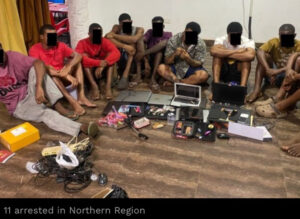 Ghana Police Arrest 11 Nigerians in Tamale Crackdown on Drugs, Cybercrime
 Malami Breaks Silence on INEC–ADC Dispute, Urges Calm Amid Political Tensions
 £746m Nigeria–UK Deal Sparks Debate Over Ajaokuta Steel’s Future
 FG Kicks Off 56km Ekiti–Osun Link Road to Boost Regional Trade
 Tinubu Condemns Plateau and Kaduna Attacks, Calls for Urgent Action Against Violence
 Tonto Dikeh Opens Up on Dark Past: From Cult Involvement to Spiritual Renewal
 Alleged Truck Tampering Lands Lagos Man in Court Over Theft Claims
 Senegal Tightens Anti-LGBTQ Laws, Doubles Prison Terms Amid Rights Concerns
Share this post with your friends on