












Empty Clinics, Rising Deaths: How Osun Health Centres Declined Under Ademola Adeleke
Empty Clinics, Rising Deaths: How Osun Health Centres Declined Under Ademola Adeleke
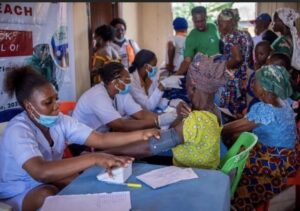
Osun State may be heading for a serious health emergency as the majority of its Primary Health Centres (PHCs) lack enough workers to provide basic medical services, health experts have warned.
A recent assessment by CheckMyPHC.org, a platform that reviews primary healthcare data across Nigeria, shows that about 73 per cent of PHCs in Osun are operating with inadequate personnel. This means nearly three out of every four centres are unable to function effectively.
Osun has more than 600 PHCs, including about 332 classified as focal centres. However, findings indicate that over 90 per cent of these facilities are both understaffed and poorly equipped. The report estimates that the state needs close to 9,000 additional health workers, yet there has been little or no major recruitment by the government.
Data from the report reveal that many PHCs are running with either one health worker or none at all. In fact, about 44 per cent of the centres reportedly have no staff, making it almost impossible for residents to access essential healthcare services.
The challenges go beyond manpower. Several PHCs were found to lack basic infrastructure such as clean water, functional toilets and hygiene supplies. In some centres, health workers and patients reportedly rely on unsafe water sources for childbirth, sterilisation and handwashing, raising serious concerns about infection and patient safety.
According to the National Primary Health Care Development Agency (NPHCDA), a standard PHC in Nigeria should have at least 10 trained staff, including doctors, nurses or midwives, community health officers, CHEWs, laboratory technicians, pharmacy technicians, environmental officers and records officers. Many PHCs in Osun fall far below this minimum requirement.
Public health experts say the situation worsened following the disengagement of over 2,000 health workers employed under the administration of former Governor Adegboyega Oyetola. They noted that the current administration of Governor Ademola Adeleke is yet to recruit replacements, further deepening the crisis.
Experts warn that inadequate staffing leads to rushed consultations, poor diagnosis, reduced quality of treatment and limited disease prevention efforts. Since PHCs serve as the first point of contact for most residents, especially in rural areas, weak staffing also affects health education, early disease detection and community outreach.
Commenting on the issue, President of the Healthcare Providers Association of Nigeria (HCPAN), Dr. Austine Aipoh, blamed the crisis on poor working conditions, insecurity and unreliable electricity.
He explained that many young health professionals leave after gaining experience in search of better opportunities elsewhere. According to him, the problem affects all levels of healthcare, from PHCs to teaching hospitals and even private facilities.
“Low pay, insecurity, poor social amenities and unstable power supply push doctors and nurses away. That is why many primary health centres are empty,” he said.
Dr. Aipoh warned that rural dwellers would suffer the most, as they depend largely on public health facilities. He noted that while the wealthy can afford private hospitals, the poor are left with understaffed centres meant to bring healthcare closer to them.
He urged the government to show commitment by improving security, fixing electricity challenges and investing in social infrastructure to encourage health workers to stay in the country.
Supporting these concerns, a member of the Nigerian Union of Allied Health Professionals (NUAHP) in Osun State said excessive waiting times at PHCs discourage residents from seeking medical care.
He added that the shortage of skilled personnel, such as nurses and midwives, has contributed to rising maternal and child deaths in the state. According to him, poor antenatal care, unsafe deliveries and delayed emergency response are becoming more common.
The health worker also noted that existing staff are often overstretched, leading to stress, burnout and low morale, which further worsens staff shortages. He added that services like immunisation, family planning, laboratory tests and emergency care are either irregular or unavailable in many centres.
He further warned that poor staffing at PHCs weakens disease surveillance at the grassroots, increasing the risk of late detection and poor management of disease outbreaks across the state.
TRENDING SONGS
 YOUNG FEMALE MORTICIAN REVEALS WHY MORTUARY ATTENDANTS KNOCK BEFORE ENTERING
 Sanwo-Olu Tours Massive Tolu Education Hub Set to Transform Learning for 20,000 Lagos Students
 Ghana Police Arrest 11 Nigerians in Tamale Crackdown on Drugs, Cybercrime
 Malami Breaks Silence on INEC–ADC Dispute, Urges Calm Amid Political Tensions
 £746m Nigeria–UK Deal Sparks Debate Over Ajaokuta Steel’s Future
 FG Kicks Off 56km Ekiti–Osun Link Road to Boost Regional Trade
 Tinubu Condemns Plateau and Kaduna Attacks, Calls for Urgent Action Against Violence
 Tonto Dikeh Opens Up on Dark Past: From Cult Involvement to Spiritual Renewal
 Alleged Truck Tampering Lands Lagos Man in Court Over Theft Claims
 Senegal Tightens Anti-LGBTQ Laws, Doubles Prison Terms Amid Rights Concerns
Share this post with your friends on