








Civil War: How My Decision Not to Shell Owerri Saved Lives — Olusegun Obasanjo
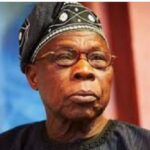 Civil War: How My Decision Not to Shell Owerri Saved Lives — Olusegun Obasanjo
Former Nigerian Head of State, Olusegun Obasanjo, has reflected on a critical moment during the Nigerian Civil War, revealing how his decision not to order the shelling of Owerri helped prevent massive civilian casualties.
Speaking about the final phase of the war, Obasanjo recounted the intense military pressure surrounding the battle for Owerri, a strategic stronghold in the old Eastern Region. At the time, federal troops were closing in on the city, which had become one of the last major fronts in the conflict. Military logic, he explained, would have justified heavy artillery bombardment to force a swift surrender. However, he chose a different path.
According to him, intelligence reports and on-ground assessments made it clear that thousands of civilians were trapped in the city alongside retreating Biafran fighters. Ordering a full-scale shelling, he said, would have resulted in devastating civilian deaths and widespread destruction of property.
“I understood the urgency to bring the war to an end,” Obasanjo reportedly said, “but I also knew that victory should not come at the cost of innocent lives.”
The Nigerian Civil War, which lasted from 1967 to 1970, was fought between the Federal Government of Nigeria and the secessionist state of Biafra. The conflict claimed over a million lives, many of them due to starvation and disease. By the time the battle reached Owerri, the humanitarian situation was already dire.
Obasanjo, who later became Nigeria’s military Head of State and subsequently a democratically elected president, noted that his decision was guided by both military calculation and moral responsibility. Instead of shelling the city indiscriminately, he opted for tactical maneuvers aimed at isolating enemy positions while allowing escape corridors for civilians.
The strategy, he maintained, reduced bloodshed and preserved parts of the city’s infrastructure. Though fighting continued for some time, federal forces eventually regained control without the kind of destruction that would have followed sustained artillery bombardment.
Historians often describe the battle for Owerri as one of the fiercest of the war’s closing months. Yet Obasanjo’s account adds a new dimension, highlighting the role of individual judgment in moments of national crisis.
He emphasized that leadership during wartime demands more than battlefield success. “Command is not only about defeating the enemy,” he said, “it is also about knowing when restraint can serve the greater good.”
The war officially ended in January 1970, paving the way for Nigeria’s post-war policy of “No Victor, No Vanquished,” aimed at reconciliation and reintegration. Obasanjo’s reflection on Owerri underscores the complexity of decisions made during that turbulent period and the enduring impact they have on national memory.
More than five decades later, his account serves as a reminder that even in the fog of war, choices rooted in humanity can alter the course of history — and save lives.
TRENDING SONGS
 YOUNG FEMALE MORTICIAN REVEALS WHY MORTUARY ATTENDANTS KNOCK BEFORE ENTERING
 Sanwo-Olu Tours Massive Tolu Education Hub Set to Transform Learning for 20,000 Lagos Students
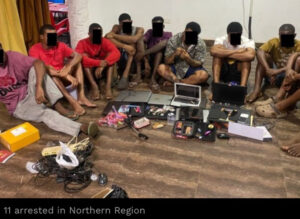 Ghana Police Arrest 11 Nigerians in Tamale Crackdown on Drugs, Cybercrime
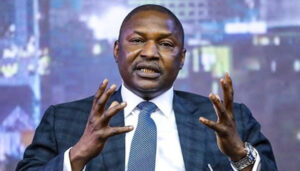 Malami Breaks Silence on INEC–ADC Dispute, Urges Calm Amid Political Tensions
 £746m Nigeria–UK Deal Sparks Debate Over Ajaokuta Steel’s Future
 FG Kicks Off 56km Ekiti–Osun Link Road to Boost Regional Trade
 Tinubu Condemns Plateau and Kaduna Attacks, Calls for Urgent Action Against Violence
 Tonto Dikeh Opens Up on Dark Past: From Cult Involvement to Spiritual Renewal
 Alleged Truck Tampering Lands Lagos Man in Court Over Theft Claims
 Senegal Tightens Anti-LGBTQ Laws, Doubles Prison Terms Amid Rights Concerns
Share this post with your friends on