












Imported Petrol Gains Price Edge Over Local Supply as Fuel Costs Surge Nationwide
Imported Petrol Gains Price Edge Over Local Supply as Fuel Costs Surge Nationwide
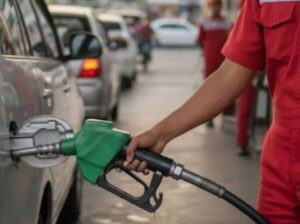
Fresh data from industry stakeholders has revealed a growing price disparity between imported petrol and locally supplied products, raising concerns about market dynamics and Nigeria’s fuel supply strategy.
According to a recent report by the Major Energies Marketers Association of Nigeria (MEMAN), the landing cost of imported Premium Motor Spirit (PMS) stood significantly lower than the domestic gantry price as of mid-March 2026. Figures indicate that imported petrol cost approximately ₦1,080 per litre upon arrival, compared to about ₦1,175 per litre for locally sourced products—creating a price gap of over ₦90 per litre.
As reported by The Punch, marketers say this difference could make fuel importation more attractive, particularly in a deregulated market where pricing is largely influenced by global trends.
In contrast, the pricing trend for diesel showed a different pattern. Locally produced Automotive Gas Oil (AGO) was cheaper than imported diesel by roughly ₦46 per litre, highlighting a mixed outlook for petroleum product competitiveness within the country.
Meanwhile, fuel supply continues to be bolstered by steady inflows of petroleum products through Nigerian ports. Shipping data cited by The Punch and corroborated by Daily Times Nigeria indicates that multiple vessels carrying both petrol and diesel have been arriving at key terminals in Lagos and Calabar over the past week.
Among the deliveries, several ships discharged tens of thousands of metric tonnes of fuel at the Kirikiri Lighter Terminals and Tin Can Island Port, contributing to an estimated 156 million litres of petrol imported recently. These arrivals form part of a broader inflow exceeding 200,000 metric tonnes of refined products within days, reflecting ongoing efforts to maintain supply.
Despite this, retail fuel prices have continued to climb across the country. Pump prices have risen above ₦1,200 per litre in many areas, with some locations recording figures closer to ₦1,300. According to The Guardian Nigeria, the increase has triggered a ripple effect on transportation costs and the general price of goods and services, intensifying pressure on households and businesses.
Economic analysts and labour groups have attributed the upward trend partly to rising global crude oil prices, influenced by geopolitical tensions, particularly in the Middle East. There are growing calls for government intervention, with some stakeholders advocating temporary price support measures to cushion the impact on citizens.
Industry players, however, remain divided on the issue of importation. The Independent Petroleum Marketers Association of Nigeria (IPMAN) has indicated readiness among its members to source fuel from both local and international markets to ensure steady availability. According to The Nation Newspaper, IPMAN officials believe increased supply could foster competition and potentially stabilise prices over time.
On the regulatory front, the Nigerian Midstream and Downstream Petroleum Regulatory Authority (NMDPRA) has maintained that no new import licences were issued in the first quarter of 2026. The agency explained that current imports are tied to previously approved licences and existing supply arrangements.
Officials of the regulator, as cited by The Guardian, clarified that domestic refineries supplied a significant portion of Nigeria’s daily fuel needs in February, although a supply gap still required supplementation through imports and stock carryovers.
The NMDPRA has also cautioned against a return to heavy reliance on imported petroleum products, warning that such a shift could undermine ongoing progress in local refining capacity. Nonetheless, some major marketers argue that imports remain necessary to meet national demand and prevent supply disruptions.
With fuel prices still closely linked to international crude benchmarks such as Brent, experts say any sustained relief at the pump will depend largely on global oil market trends. Until then, the current pricing imbalance between imported and locally refined petrol is expected to remain a key issue shaping Nigeria’s downstream oil sector.
TRENDING SONGS
 YOUNG FEMALE MORTICIAN REVEALS WHY MORTUARY ATTENDANTS KNOCK BEFORE ENTERING
 Sanwo-Olu Tours Massive Tolu Education Hub Set to Transform Learning for 20,000 Lagos Students
 Ghana Police Arrest 11 Nigerians in Tamale Crackdown on Drugs, Cybercrime
 Malami Breaks Silence on INEC–ADC Dispute, Urges Calm Amid Political Tensions
 £746m Nigeria–UK Deal Sparks Debate Over Ajaokuta Steel’s Future
 FG Kicks Off 56km Ekiti–Osun Link Road to Boost Regional Trade
 Tinubu Condemns Plateau and Kaduna Attacks, Calls for Urgent Action Against Violence
 Tonto Dikeh Opens Up on Dark Past: From Cult Involvement to Spiritual Renewal
 Alleged Truck Tampering Lands Lagos Man in Court Over Theft Claims
 Senegal Tightens Anti-LGBTQ Laws, Doubles Prison Terms Amid Rights Concerns
Share this post with your friends on