












E‑Transmission: Senate Reveals Why ‘Real Time’ Was Removed
E‑Transmission: Senate Reveals Why ‘Real Time’ Was Removed
Abuja, Nigeria — February 15, 2026: The Nigerian Senate has offered a detailed explanation for its controversial decision to remove the phrase “real time” from the electronic transmission clause in the ongoing reform of the nation’s Electoral Act — a move that has stirred intense public debate and political reactions.
The Telegraph Nigeria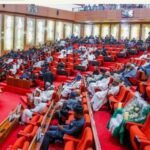
At the centre of the controversy is Clause 60(3) of the Electoral Bill, 2026, which originally required presiding officers at polling units to upload results directly to the Independent National Electoral Commission (INEC) Result Viewing Portal (IReV) as they are declared — essentially in real time. The Senate, however, chose to amend the language so that results may still be transmitted electronically, but without a strict obligation for instantaneous upload during elections.
The Telegraph Nigeria
Senate’s Rationale: Infrastructure Realities
Speaking through his media office, Senate Leader Senator Opeyemi Bamidele explained that the Senate’s action was based on empirical data, not political expediency. According to the Senator, Nigeria’s current communication and power infrastructure cannot reliably support mandatory, nationwide real‑time result uploads.
The Telegraph Nigeria
Bamidele cited statistics from the Nigerian Communications Commission showing broadband coverage at only about 70 percent in 2025, with Internet penetration under 45 percent of the population. Similarly, independent global rankings place Nigeria far below average in network reliability — undermining the viability of real‑time digital reporting during elections.
The Telegraph Nigeria
Beyond communications, Nigeria’s power distribution challenges were a key concern. A significant portion of the population still lacks stable access to electricity, meaning that digital systems could easily fail in many parts of the country. Against this backdrop, Bamidele warned that legally mandating “real‑time” transmission could lead to national confusion, legal contestation and even electoral crises.
The Telegraph Nigeria
How the Clause Was Restructured
Rather than scrapping electronic transmission entirely, the Senate retained the overall framework but made room for practical contingencies. In the amended wording now before further legislative harmonisation, electronic submission remains compulsory after Form EC8A is signed and stamped at a polling unit. Only if electronic transmission fails due to connectivity issues will the paper form serve as the primary record for collation and declaration.
Businessday NG
Critics argue, however, that this new phrasing weakens transparency, because without a clear requirement for timing, presiding officers could delay uploading results for hours or even days — increasing the risk of interference or manipulation.
Businessday NG
Public and Political Reactions
The Senate’s stance has ignited a broad mix of reactions:
Some civil society organisations and political actors have condemned the removal of “real time,” viewing it as a setback for electoral transparency and a departure from reform momentum.
ThisDayLive
Opposition figures, including former candidates and parties, have called for reinstating real‑time electronic uploads as a way to curb fraud and boost public trust in election outcomes.
The Guardian Nigeria +1
Technical experts and engineering groups have weighed in, arguing that the Senate’s reasoning on infrastructure doesn’t reflect the potential for creative solutions or phased implementation.
PM News Nigeria
Meanwhile, pro‑electronic transmission voices insist that outright rejection of real‑time uploads could undermine efforts to modernise Nigeria’s electoral process — a view that has fuelled street protests and online campaigns demanding full reinstatement.
Channels Television
Next Steps: Harmonisation and Final Passage
Because the House of Representatives had passed its own version of the bill — which included stronger language on real‑time transmission — both chambers are now expected to meet in a Conference Committee to reconcile differences before the bill is presented for presidential assent.
The Telegraph Nigeria
The outcome of this harmonisation will profoundly shape how future elections are conducted in Nigeria — balancing public demand for transparency with the legislative assessment of what is feasible within the country’s current technic
al and logistical environment.
TRENDING SONGS
 Sanwo-Olu Tours Massive Tolu Education Hub Set to Transform Learning for 20,000 Lagos Students
 Ghana Police Arrest 11 Nigerians in Tamale Crackdown on Drugs, Cybercrime
 Malami Breaks Silence on INEC–ADC Dispute, Urges Calm Amid Political Tensions
 £746m Nigeria–UK Deal Sparks Debate Over Ajaokuta Steel’s Future
 FG Kicks Off 56km Ekiti–Osun Link Road to Boost Regional Trade
 Tinubu Condemns Plateau and Kaduna Attacks, Calls for Urgent Action Against Violence
 Tonto Dikeh Opens Up on Dark Past: From Cult Involvement to Spiritual Renewal
 Alleged Truck Tampering Lands Lagos Man in Court Over Theft Claims
 Senegal Tightens Anti-LGBTQ Laws, Doubles Prison Terms Amid Rights Concerns
 Infantino Watches Iran Friendly Amid World Cup Venue Uncertainty
Share this post with your friends on