



Islam, Yoruba Kingship, and the Issue of Religious Equity
Islam, Yoruba Kingship, and the Issue of Religious Equity
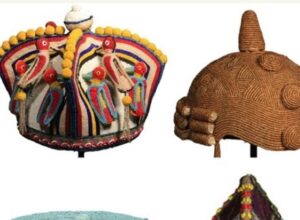
Before the arrival of Islam and Christianity, the Yoruba people practiced a traditional belief system rooted in reverence for deities like Sango, Ogun, Yemoja, and others—a religion known as Ìṣẹ̀ṣe.
However, it’s important to draw a clear line between Yoruba culture and the Ìṣẹ̀ṣe religion. Yoruba culture is much broader and includes values that transcend religious boundaries: respect for elders, graceful attire like the agbada, hospitality, pursuit of knowledge, and good conduct. These are cultural hallmarks, not religious obligations.
The real tension surfaces when traditional religious rites are made mandatory for those aspiring to the Yoruba throne. Historically, kingship has required participation in certain Ìṣẹ̀ṣe rituals, which often involves pledging allegiance to ancestral deities. This expectation effectively sidelines devout Muslims and Christians, even if they are legitimate heirs, by compelling them to compromise their beliefs.
This raises serious concerns about fairness and freedom of religion. No Yoruba person is more authentically Yoruba because of their religion. Yoruba identity is rooted in heritage—not in one’s choice of worship.
The recent debate following the passing of the Awujale of Ijebu—who remained a devout Muslim until his death—highlights this ongoing tension. Some critics questioned the Islamic burial he received, arguing that all Yoruba monarchs should follow traditional rites. But this thinking is flawed. A king’s faith should be respected in life and in death, whether Muslim, Christian, or traditionalist.
It’s time for our leaders—government and traditional institutions alike—to modernize these customs. Policies should protect the right of any Yoruba descendant, regardless of faith, to ascend the throne and practice their religion freely.
We must continue to honor and preserve Yoruba culture—through our language, attire, cuisine, and shared values—without turning traditional religion into a gatekeeper of leadership.
Diversity is not a weakness; it is our collective strength. Let’s uphold it.
TRENDING SONGS
 Sanwo-Olu Tours Massive Tolu Education Hub Set to Transform Learning for 20,000 Lagos Students
 Ghana Police Arrest 11 Nigerians in Tamale Crackdown on Drugs, Cybercrime
 Malami Breaks Silence on INEC–ADC Dispute, Urges Calm Amid Political Tensions
 £746m Nigeria–UK Deal Sparks Debate Over Ajaokuta Steel’s Future
 FG Kicks Off 56km Ekiti–Osun Link Road to Boost Regional Trade
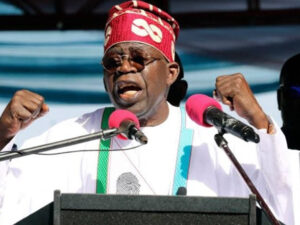 Tinubu Condemns Plateau and Kaduna Attacks, Calls for Urgent Action Against Violence
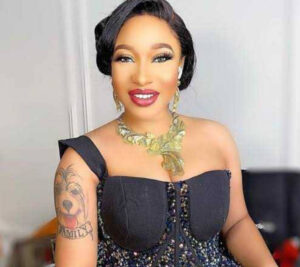 Tonto Dikeh Opens Up on Dark Past: From Cult Involvement to Spiritual Renewal
 Alleged Truck Tampering Lands Lagos Man in Court Over Theft Claims
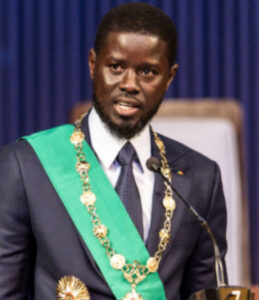 Senegal Tightens Anti-LGBTQ Laws, Doubles Prison Terms Amid Rights Concerns
 Infantino Watches Iran Friendly Amid World Cup Venue Uncertainty
Share this post with your friends on