












How Investing in Agriculture Can Rescue Nigeria from Economic Hardship
How Investing in Agriculture Can Rescue Nigeria from Economic Hardship
By Tope John Fakinlede

Tope John Fakinlede
Nigeria is currently grappling with severe economic challenges. Recent fuel price increases, driven by the government’s removal of fuel subsidies, have led to skyrocketing costs for goods and services, placing a heavy burden on many Nigerians. While the government has provided palliatives and grants as a temporary fix, these measures often fail to reach the most needy and are sometimes misappropriated, ending up with those who are already well-off. To effectively address these issues and provide sustainable relief, Nigeria must focus on a strategic investment in agriculture.
Solutions :
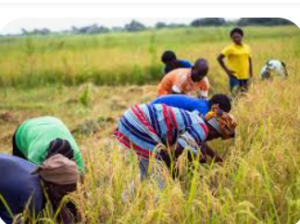
1. Support for Farmers: The government should provide comprehensive support to farmers to boost local food production. This includes subsidizing the cost of essential agricultural inputs such as fertilizers, chemicals, farm tools like cutlasses and hoes, and investing in key equipment such as tractors and plows. Providing free fertilizers, sprayers, seeds, and loans to genuine farmers will enhance agricultural productivity and stabilize food prices.
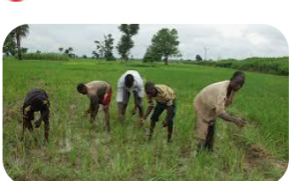
2. Education and Training: To attract youth into farming, the government should prioritize agricultural education and conduct seminars that showcase the benefits and opportunities within the sector. By making farming a more appealing career choice, we can cultivate a new generation of skilled farmers and ensure a sustainable agricultural future.
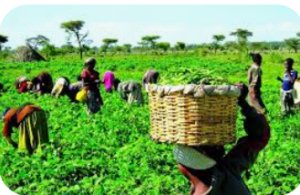
3. Government-Funded Farms: Establishing federal and state government farms across all states is crucial. These farms can serve as practical training grounds for new farmers and ensure a steady supply of food. Demonstrating effective agricultural practices through these farms will provide valuable experience and support local food security.
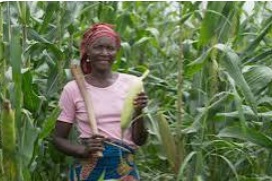
4. Investment in Livestock: Investing in livestock farming is essential for reducing reliance on imports and meeting local demand. This diversification can also create additional job opportunities and contribute to overall economic stability.
5. Reevaluating Palliatives: The current palliatives, while well-intentioned, often fail to reach those who need them most and can be misappropriated. The government should either ensure that these aid measures effectively reach the poor and vulnerable or reconsider their approach to providing assistance.
By redirecting focus and resources towards agriculture and creating government-run farms in every state, Nigeria can better tackle the economic challenges posed by rising fuel costs. This approach will not only address immediate hardships but also lay the foundation for long-term economic stability and growth. Investing in agriculture offers a viable path to self-sufficiency and prosperity, benefiting the entire nation.
TRENDING SONGS
 YOUNG FEMALE MORTICIAN REVEALS WHY MORTUARY ATTENDANTS KNOCK BEFORE ENTERING
 Sanwo-Olu Tours Massive Tolu Education Hub Set to Transform Learning for 20,000 Lagos Students
 Ghana Police Arrest 11 Nigerians in Tamale Crackdown on Drugs, Cybercrime
 Malami Breaks Silence on INEC–ADC Dispute, Urges Calm Amid Political Tensions
 £746m Nigeria–UK Deal Sparks Debate Over Ajaokuta Steel’s Future
 FG Kicks Off 56km Ekiti–Osun Link Road to Boost Regional Trade
 Tinubu Condemns Plateau and Kaduna Attacks, Calls for Urgent Action Against Violence
 Tonto Dikeh Opens Up on Dark Past: From Cult Involvement to Spiritual Renewal
 Alleged Truck Tampering Lands Lagos Man in Court Over Theft Claims
 Senegal Tightens Anti-LGBTQ Laws, Doubles Prison Terms Amid Rights Concerns
Share this post with your friends on