












Grid Collapse: A National Embarrassment and a Sign of Leadership Failure
Grid Collapse: A National Embarrassment and a Sign of Leadership Failure
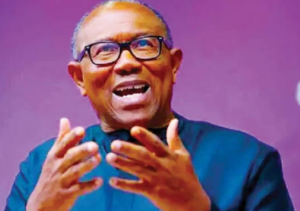
Peter Obi
Once again, the national power grid has failed, leaving large sections of Nigeria in darkness and highlighting the vulnerability of the country’s power infrastructure.
This ongoing crisis is not only a national embarrassment but also a stark indicator of leadership and policy failures at the highest levels.
How much longer will Nigerians have to tolerate a system that cannot deliver one of the essential elements for a thriving society?
This latest grid failure reflects a government that has consistently neglected the well-being and economic prosperity of its citizens.
The significance of reliable power supply for economic transformation cannot be overstated. It is crucial for supporting small and medium enterprises (SMEs), which are vital for job creation and contribute significantly to our GDP.
Today, Nigeria stands as the fourth largest economy in Africa, a position it has fallen from due to years of poor leadership and the ongoing power crisis that hampers our potential compared to smaller economies.
For context, South Africa has become the largest economy on the continent, generating over 40,000 megawatts of electricity for its population of about 60 million, with a GDP of approximately $400 billion. Egypt follows closely as the second-largest economy, also generating over 40,000 megawatts for a population of around 100 million and a GDP of about $350 billion. Algeria, with a GDP of $300 billion and a population of around 45 million, produces over 50,000 megawatts.
In stark contrast, Nigeria, despite having a larger population than these three countries combined and a lower GDP, generates and distributes less than 10,000 megawatts. Even this inadequate supply is plagued by frequent outages and systemic failures.
This glaring disparity in power generation underscores a profound governance deficit that continues to stifle our growth and potential.
It is imperative that we pursue urgent and comprehensive reforms. Nigerians deserve a government that prioritizes tangible indicators of development.
A new Nigeria is possible. PO.
TRENDING SONGS
 YOUNG FEMALE MORTICIAN REVEALS WHY MORTUARY ATTENDANTS KNOCK BEFORE ENTERING
 Sanwo-Olu Tours Massive Tolu Education Hub Set to Transform Learning for 20,000 Lagos Students
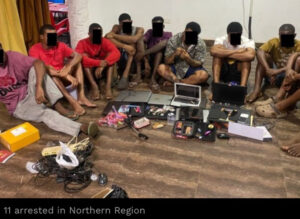 Ghana Police Arrest 11 Nigerians in Tamale Crackdown on Drugs, Cybercrime
 Malami Breaks Silence on INEC–ADC Dispute, Urges Calm Amid Political Tensions
 £746m Nigeria–UK Deal Sparks Debate Over Ajaokuta Steel’s Future
 FG Kicks Off 56km Ekiti–Osun Link Road to Boost Regional Trade
 Tinubu Condemns Plateau and Kaduna Attacks, Calls for Urgent Action Against Violence
 Tonto Dikeh Opens Up on Dark Past: From Cult Involvement to Spiritual Renewal
 Alleged Truck Tampering Lands Lagos Man in Court Over Theft Claims
 Senegal Tightens Anti-LGBTQ Laws, Doubles Prison Terms Amid Rights Concerns
Share this post with your friends on