



Soyinka Slams Trump but Spares Tinubu? Nigerians Question the Double Standard
Soyinka Slams Trump but Spares Tinubu? Nigerians Question the Double Standard
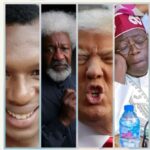
Nobel laureate Wole Soyinka has once again ignited public debate—this time, not for what he said, but for what many Nigerians believe he refused to say. His recent criticism of former U.S. President Donald Trump has sparked questions about why the playwright appears reluctant to apply the same level of scrutiny to President Bola Ahmed Tinubu’s administration.
Soyinka, known for his fearless commentary on governance and tyranny across the world, described Trump as a political threat and an embodiment of democratic decay. His remarks, circulated widely, portrayed Trump as a danger to global democratic norms. However, as the criticism gained traction, Nigerians quickly turned their attention inward, asking why the Nobel laureate has maintained an arguably muted tone regarding the challenges Nigeria currently faces under Tinubu.
For many citizens, the contrast feels too sharp to ignore. With rising insecurity, economic hardship, and a surge in public frustration, some expected Soyinka to channel his trademark moral boldness toward matters at home. The silence, or what appears to be a softer stance, has led to accusations of selective outrage.
Social media, often the nation’s barometer of public sentiment, exploded with reactions. Some defended Soyinka’s right to speak on global issues, arguing that his criticism of Trump does not require a corresponding critique of Tinubu. Others insisted that moral authority must be evenly applied—especially by a figure who has consistently denounced authoritarian tendencies within Nigeria for decades.
Political analysts suggest that Soyinka’s careful tone may be strategic rather than sympathetic. They argue that the Nobel laureate often chooses his battles and may be observing the Tinubu administration with a long-term view. Yet, this explanation has not satisfied Nigerians who believe that national voices of conscience cannot afford selective engagement in times of widespread hardship.
For now, Soyinka’s comments continue to fuel debates about intellectual responsibility, political neutrality, and the expectations placed on public figures. Whether he eventually speaks more forcefully on Tinubu’s governance remains to be seen. What is clear, however, is that Nigerians are watching closely—and they want consistency from one of the country’s most respected m
oral voices.
TRENDING SONGS
 YOUNG FEMALE MORTICIAN REVEALS WHY MORTUARY ATTENDANTS KNOCK BEFORE ENTERING
 Sanwo-Olu Tours Massive Tolu Education Hub Set to Transform Learning for 20,000 Lagos Students
 Ghana Police Arrest 11 Nigerians in Tamale Crackdown on Drugs, Cybercrime
 Malami Breaks Silence on INEC–ADC Dispute, Urges Calm Amid Political Tensions
 £746m Nigeria–UK Deal Sparks Debate Over Ajaokuta Steel’s Future
 FG Kicks Off 56km Ekiti–Osun Link Road to Boost Regional Trade
 Tinubu Condemns Plateau and Kaduna Attacks, Calls for Urgent Action Against Violence
 Tonto Dikeh Opens Up on Dark Past: From Cult Involvement to Spiritual Renewal
 Alleged Truck Tampering Lands Lagos Man in Court Over Theft Claims
 Senegal Tightens Anti-LGBTQ Laws, Doubles Prison Terms Amid Rights Concerns
Share this post with your friends on