












Naira on the Brink: Tinubu Signals Massive Recovery Ahead
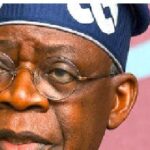 Naira on the Brink: Tinubu Signals Massive Recovery Ahead
Nigeria’s national currency, the naira, has faced one of its most turbulent periods in recent history, battered by inflationary pressures, foreign exchange volatility, and dwindling investor confidence. Yet amid the uncertainty, President Bola Ahmed Tinubu has signaled that a broad-based recovery plan is underway, expressing optimism that the worst may soon give way to a gradual but steady rebound.
Over the past year, fluctuations in the foreign exchange market have tested the resilience of businesses and households alike. The cost of imported goods has surged, manufacturers have struggled with rising input costs, and consumers have felt the pinch of escalating prices. Analysts have attributed the strain to a combination of global economic headwinds, reduced oil earnings, and structural weaknesses in Nigeria’s foreign exchange framework.
However, President Tinubu has maintained that the reforms introduced by his administration are designed to correct long-standing distortions and lay a stronger foundation for sustainable growth. Central to this strategy is the unification of the exchange rate system, a move aimed at improving transparency and attracting foreign investment. While the policy initially triggered market shocks, government officials argue that it is a necessary step toward restoring investor trust and stabilizing the currency over time.
In addition, the administration has emphasized efforts to boost non-oil exports, increase crude oil production, and expand tax revenues without overburdening citizens. According to economic advisers, these measures are expected to strengthen foreign reserves and ease pressure on the naira in the medium term. The government has also pledged closer collaboration with the Central Bank of Nigeria to curb speculative activities and improve liquidity in the forex market.
President Tinubu’s confidence in a “massive recovery” hinges on the belief that tough reforms, though painful in the short run, will ultimately position Nigeria for economic resilience. He has repeatedly assured Nigerians that fiscal discipline, targeted social interventions, and strategic partnerships with international investors will yield tangible results.
Economic observers note that restoring stability to the naira will require consistency in policy implementation and improved communication with the public. Transparency in foreign exchange management, alongside measures to support local production and reduce import dependency, will be critical to sustaining any gains achieved.
While skepticism remains in some quarters, there is cautious optimism that a combination of structural reforms and improved macroeconomic coordination could steer the naira away from the brink. For many Nigerians, the coming months will be decisive in determining whether the promised recovery materializes and whether the national currency can regain its strength as a symbol of economic stability and confidence.
As the administration presses forward with its reform agenda, the focus now shifts to execution—turning policy declarations into measurable outcomes that can restore faith in the naira and chart a more secure economic future for the country.
TRENDING SONGS
 YOUNG FEMALE MORTICIAN REVEALS WHY MORTUARY ATTENDANTS KNOCK BEFORE ENTERING
 Sanwo-Olu Tours Massive Tolu Education Hub Set to Transform Learning for 20,000 Lagos Students
 Ghana Police Arrest 11 Nigerians in Tamale Crackdown on Drugs, Cybercrime
 Malami Breaks Silence on INEC–ADC Dispute, Urges Calm Amid Political Tensions
 £746m Nigeria–UK Deal Sparks Debate Over Ajaokuta Steel’s Future
 FG Kicks Off 56km Ekiti–Osun Link Road to Boost Regional Trade
 Tinubu Condemns Plateau and Kaduna Attacks, Calls for Urgent Action Against Violence
 Tonto Dikeh Opens Up on Dark Past: From Cult Involvement to Spiritual Renewal
 Alleged Truck Tampering Lands Lagos Man in Court Over Theft Claims
 Senegal Tightens Anti-LGBTQ Laws, Doubles Prison Terms Amid Rights Concerns
Share this post with your friends on