












FG to Introduce National Learner ID, Set to Replace JSS Entrance Exam with Continuous Assessment
FG to Introduce National Learner ID, Set to Replace JSS Entrance Exam with Continuous Assessment

The Federal Government has unveiled plans to implement a Learner Identification Number (LIN) for all school children in Nigeria, a system designed to track pupils’ academic journeys from primary school through to senior secondary school.
According to the Minister of Education, Dr. Tunji Alausa, who spoke with journalists in Lagos this week, the initiative is intended to enhance monitoring of students’ performance and improve transition rates across school levels. “We currently have more than 50,000 public primary schools hosting over 23 million pupils. Yet, only about 3 million proceed to junior secondary school in the public system,” Alausa said, highlighting a troubling drop in basic education completion. This concern has been widely reflected in recent education sector reports from The Guardian Nigeria and Daily Times, which both noted the persistent gaps in progression from primary to secondary levels.
Under the new policy, every pupil will be assigned a unique Learner Identification Number at the start of primary education, a number that remains with them throughout their schooling life, regardless of transfers between schools or states. “This will enable us to identify why a child is not progressing, whether due to transfer, dropout, or other factors,” the Minister added. Officials say the system will help close current data blind spots that make it difficult to understand where millions of learners go after leaving primary school.
In a major shift aimed at reducing emphasis on end‑of‑exam performance, the Ministry confirmed that the common entrance examination currently used for entry into Junior Secondary School (JSS) will soon be phased out. In its place, authorities plan to adopt a Continuous Assessment (CA) model that reflects students’ performance throughout primary school. This approach, already supported by educators quoted in The Nation Newspaper, is expected to promote a more holistic view of learners’ capabilities. “The Continuous Assessment will follow the child even if they transfer school and provides a more detailed record of performance over time,” said the Minister.
Dr. Alausa also revealed that the Federal Ministry of Education is working to revive the National School Feeding Programme, moving its oversight from the Ministry of Humanitarian Affairs to the FME. Observers, including education analysts writing for The Punch, believe that strengthening the feeding scheme could significantly increase enrolment and retention in public schools, particularly in underserved communities. State governments have also been urged to build more schools and strengthen infrastructure to ensure easier access to education.
By tying these reforms to real challenges in the system and aligning with coverage from The Guardian, Daily Times, The Nation, and The Punch, the Federal Government aims to create a more inclusive and data‑driven education framework for Nigeria’s children.
TRENDING SONGS
 YOUNG FEMALE MORTICIAN REVEALS WHY MORTUARY ATTENDANTS KNOCK BEFORE ENTERING
 Sanwo-Olu Tours Massive Tolu Education Hub Set to Transform Learning for 20,000 Lagos Students
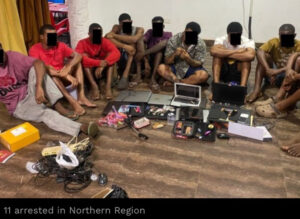 Ghana Police Arrest 11 Nigerians in Tamale Crackdown on Drugs, Cybercrime
 Malami Breaks Silence on INEC–ADC Dispute, Urges Calm Amid Political Tensions
 £746m Nigeria–UK Deal Sparks Debate Over Ajaokuta Steel’s Future
 FG Kicks Off 56km Ekiti–Osun Link Road to Boost Regional Trade
 Tinubu Condemns Plateau and Kaduna Attacks, Calls for Urgent Action Against Violence
 Tonto Dikeh Opens Up on Dark Past: From Cult Involvement to Spiritual Renewal
 Alleged Truck Tampering Lands Lagos Man in Court Over Theft Claims
 Senegal Tightens Anti-LGBTQ Laws, Doubles Prison Terms Amid Rights Concerns
Share this post with your friends on