












Eight Years of Ruin: How Buhari’s Tenure Sank Nigeria’s Economy
Eight Years of Ruin: How Buhari’s Tenure Sank Nigeria’s Economy
When Muhammadu Buhari assumed office in 2015, he was heralded by many Nigerians as a symbol of change — a disciplined, incorruptible former military leader poised to steer the nation toward prosperity. But eight years later, the optimism that once surrounded his presidency has withered into widespread disillusionment. Nigeria, Africa’s largest economy by GDP, endured a turbulent economic ride under Buhari’s leadership, marked by recession, ballooning debt, inflation, and a battered naira. The country’s economic indicators tell a sobering story — one of missed opportunities, poor fiscal decisions, and policy inertia.
The Beginning: High Hopes, Harsh Realities
Buhari inherited a fragile economy. Crude oil prices — Nigeria’s economic lifeline — had plunged drastically in 2014, causing government revenues to shrink. While the previous administration was blamed for reckless spending and corruption, many believed Buhari’s reputation for austerity and discipline would stabilize the ship. However, the administration’s slow start, including months of delay in appointing a cabinet and outlining an economic direction, eroded investor confidence and compounded the downturn.
Recession and Recovery — On Paper Only
In 2016, Nigeria slipped into its first recession in 25 years. The administration blamed falling oil prices, but critics pointed to policy missteps — such as foreign exchange restrictions and unclear monetary policies — that stifled business operations and discouraged investment. Though Nigeria exited the recession in 2017, growth remained sluggish and fragile, never reaching levels that could significantly reduce poverty or unemployment.
A second recession followed in 2020, triggered by the COVID-19 pandemic. Once again, the government responded with limited and delayed stimulus efforts, relying heavily on borrowing rather than strategic investment in sectors like manufacturing or agriculture that could have sparked sustainable growth.
Mounting Debt, Shrinking Resilience
Perhaps the most glaring economic legacy of Buhari’s administration is Nigeria’s debt explosion. Public debt rose from ₦12.6 trillion in 2015 to over ₦77 trillion by the time he left office in 2023. While borrowing is not inherently negative, much of it under Buhari was used to fund recurrent expenditures rather than infrastructure or capital projects. This created a debt service crisis, where the government was spending a significant portion of its revenue just to repay loans — a classic case of mortgaging the future.
The Naira’s Collapse and Inflation’s Grip
Under Buhari, the naira lost over 70% of its value. A mix of rigid foreign exchange controls, inconsistent Central Bank policies, and declining investor confidence led to multiple devaluations. The result was a sharp increase in the cost of imports, which fueled inflation and eroded the purchasing power of ordinary Nigerians.
Food inflation became particularly severe, hitting double digits for most of Buhari’s tenure. Combined with rising fuel costs and stagnant wages, the cost of living soared, pushing millions into poverty. According to the World Bank, more Nigerians became classified as “extremely poor” between 2015 and 2023.
Unemployment and the Youth Crisis
The unemployment rate surged dramatically under Buhari. From 8.2% in 2015, it rose to over 33% by 2021 — one of the highest rates globally. Youth unemployment was even worse, leading to widespread frustration, protests, and a growing migration crisis as young Nigerians sought better futures abroad.
The government’s interventions, like N-Power and the Economic Sustainability Plan, failed to address the root causes of joblessness, often criticized for being short-term palliatives lacking clear long-term strategy or proper execution.
Policy Inconsistency and Institutional Weakness
Throughout his administration, Buhari was often criticized for indecision and a lack of coherent economic vision. Key sectors — such as power, manufacturing, and agriculture — remained stagnant, with repeated policy reversals and poor coordination between ministries. The Central Bank of Nigeria, under his watch, blurred the line between monetary and fiscal roles, implementing controversial schemes such as direct lending to farmers and businesses, which often lacked transparency and measurable outcomes.
Conclusion: A Legacy in Question
Buhari’s economic legacy is, at best, mixed — but for many Nigerians, it is one of hardship and missed potential. While he may have made efforts to combat corruption and build infrastructure, the economic costs of policy missteps, leadership inertia, and poor fiscal management have left deep scars. As Nigeria moves forward, it must reckon with this legacy — learning from the past to chart a more inclusive, dynamic, and sustainab
le economic future.
TRENDING SONGS
 YOUNG FEMALE MORTICIAN REVEALS WHY MORTUARY ATTENDANTS KNOCK BEFORE ENTERING
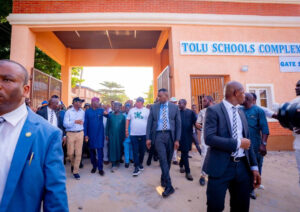 Sanwo-Olu Tours Massive Tolu Education Hub Set to Transform Learning for 20,000 Lagos Students
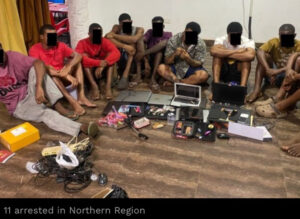 Ghana Police Arrest 11 Nigerians in Tamale Crackdown on Drugs, Cybercrime
 Malami Breaks Silence on INEC–ADC Dispute, Urges Calm Amid Political Tensions
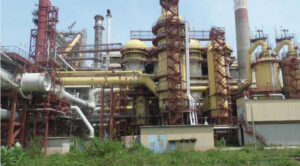 £746m Nigeria–UK Deal Sparks Debate Over Ajaokuta Steel’s Future
 FG Kicks Off 56km Ekiti–Osun Link Road to Boost Regional Trade
 Tinubu Condemns Plateau and Kaduna Attacks, Calls for Urgent Action Against Violence
 Tonto Dikeh Opens Up on Dark Past: From Cult Involvement to Spiritual Renewal
 Alleged Truck Tampering Lands Lagos Man in Court Over Theft Claims
 Senegal Tightens Anti-LGBTQ Laws, Doubles Prison Terms Amid Rights Concerns
Share this post with your friends on