











FearlessInOctober: Nigeria’s Looming Protest and the Urgent Government Response Needed
FearlessInOctober: Nigeria’s Looming Protest and the Urgent Government Response Needed
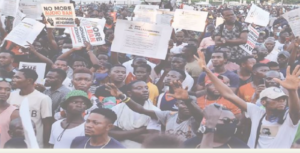
Nigeria faces the potential for new unrest as another protest, dubbed #FearlessInOctober, is set to take place just weeks after the disruptive #EndBadGovernance demonstrations. The country is still reeling from the economic impacts of the previous protests, and a new wave of demonstrations could escalate tensions further.
According to Damilare Adenola, Director of Mobilisation for the Take It Back Movement, the upcoming protests will echo the demands of previous ones but will be adjusted to address worsening conditions in the country.
The protests held from August 1-10 aimed to highlight severe economic hardships. While initially supported by many Nigerians, the demonstrations soon escalated into violent clashes, looting, vandalism, and deadly encounters with security forces, resulting in over 30 deaths and more than 1,000 arrests.
Given the gravity of the situation, the protest organizers might consider pausing to allow the government time to respond before initiating further action.
The root causes of the unrest—severe hunger and economic difficulties—demand urgent government action. The administration needs to address issues such as the devaluation of the naira, erratic monetary policies, and rising food and energy costs. The National Bureau of Statistics reported 133 million multidimensionally poor individuals in 2022, a figure that increased by seven million in 2023 due to the removal of fuel subsidies and naira devaluation.
Future protests should focus on peaceful advocacy rather than violence and looting. The government must ensure that security forces act professionally and avoid excessive force.
Protests have been notably intense in the northern regions, where poverty rates are high, and there has been significant vandalism and looting. In Kano, for instance, protesters targeted the Nigerian Communications Commission’s Digital Innovation Centre, resulting in substantial property damage.
Northern governors need to implement urgent socio-economic programs to address these issues. The federal government, meanwhile, should use the time before October to address the grievances that could fuel further unrest.
The government’s communication strategy must also evolve. It should shift from combative and reactive responses to a more strategic, empathetic, and results-oriented approach. Blaming opposition figures during a time of widespread economic distress is ineffective and counterproductive.
Additionally, the administration should address the high cost of governance. Recent displays of luxury, such as the unveiling of a new presidential jet and expensive vehicles, have only fueled dissent.
To prevent further protests, all levels of government must urgently address the underlying issues of hunger and economic hardship and improve their security strategies to manage future demonstrations effectively.
TRENDING SONGS
 Sanwo-Olu Tours Massive Tolu Education Hub Set to Transform Learning for 20,000 Lagos Students
 Ghana Police Arrest 11 Nigerians in Tamale Crackdown on Drugs, Cybercrime
 Malami Breaks Silence on INEC–ADC Dispute, Urges Calm Amid Political Tensions
 £746m Nigeria–UK Deal Sparks Debate Over Ajaokuta Steel’s Future
 FG Kicks Off 56km Ekiti–Osun Link Road to Boost Regional Trade
 Tinubu Condemns Plateau and Kaduna Attacks, Calls for Urgent Action Against Violence
 Tonto Dikeh Opens Up on Dark Past: From Cult Involvement to Spiritual Renewal
 Alleged Truck Tampering Lands Lagos Man in Court Over Theft Claims
 Senegal Tightens Anti-LGBTQ Laws, Doubles Prison Terms Amid Rights Concerns
 Infantino Watches Iran Friendly Amid World Cup Venue Uncertainty
Share this post with your friends on