












Five Essential Steps to Prevent Cholera
Five Essential Steps to Prevent Cholera
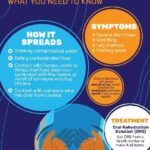
In light of the cholera outbreak declared in Lagos on June 15, 2024, by Nigerian health authorities, the World Health Organization (WHO) has reported 436 suspected cases within just six days, with the number rising to over 500, including 43 confirmed cases and a 5.4% case fatality rate among suspected cases.
The situation continues to escalate, with the Nigeria Centre for Disease Control (NCDC) documenting 53 cholera-related deaths and 1,528 suspected cases across 31 states and 107 local government areas as of June 24, 2024, resulting in a 3.5% case fatality rate for the year.
Globally, cholera affects between 1.3 to 4.0 million people annually, leading to 21,000 to 143,000 deaths, mostly among those with mild or asymptomatic cases who can be effectively treated with oral rehydration solutions.
Given the outbreak’s spread, particularly in crowded areas and prisons, public health education on cholera prevention is critical. During a recent health awareness event, Dr. Oche Otorkpa, a public health expert and Executive Director of Public Health Nigeria, emphasized the importance of maintaining hygienic practices to prevent cholera. He outlined five essential practices:
1. Practice Good Hygiene**: Regularly wash hands with soap and clean water, especially before handling food, after using the toilet, and after caring for cholera patients. Use hand sanitizers if soap and water are unavailable.
2. Ensure Safe Water and Food**: Consume only safe water that has been boiled, treated, or chlorinated. Avoid raw or undercooked seafood, and thoroughly wash fruits and vegetables before consumption. Refrain from purchasing snacks and foods from unhygienic street vendors.
3. Maintain Sanitary Conditions**: Properly dispose of human waste to prevent contamination of water sources. Use latrines or toilets and avoid open defecation. Keep living and cooking areas clean.
4. Promote Community Awareness**: Educate family and community members about cholera symptoms, such as severe diarrhea and vomiting, and encourage prompt medical care if symptoms occur.
By adhering to these guidelines, individuals and communities can significantly reduce their risk of contracting cholera and aid health authorities in controlling outbreaks.
TRENDING SONGS
 Sanwo-Olu Tours Massive Tolu Education Hub Set to Transform Learning for 20,000 Lagos Students
 Ghana Police Arrest 11 Nigerians in Tamale Crackdown on Drugs, Cybercrime
 Malami Breaks Silence on INEC–ADC Dispute, Urges Calm Amid Political Tensions
 £746m Nigeria–UK Deal Sparks Debate Over Ajaokuta Steel’s Future
 FG Kicks Off 56km Ekiti–Osun Link Road to Boost Regional Trade
 Tinubu Condemns Plateau and Kaduna Attacks, Calls for Urgent Action Against Violence
 Tonto Dikeh Opens Up on Dark Past: From Cult Involvement to Spiritual Renewal
 Alleged Truck Tampering Lands Lagos Man in Court Over Theft Claims
 Senegal Tightens Anti-LGBTQ Laws, Doubles Prison Terms Amid Rights Concerns
 Infantino Watches Iran Friendly Amid World Cup Venue Uncertainty
Share this post with your friends on