








MultiChoice Nigeria Loses 243,000 Subscribers Amid Economic Strain
MultiChoice Nigeria Loses 243,000 Subscribers Amid Economic Strain

Multichoice
MultiChoice Group, the South African operator behind popular pay-TV services DStv and GOtv, reported a significant drop in its Nigerian subscriber base, losing 243,000 customers between April and September 2024. The figures were disclosed in the company’s Interim Financial Results for the period ending 30 September 2024.
The decline was largely attributed to Nigeria’s ongoing economic challenges, particularly its high inflation rate, which exceeds 30%. This surge in living costs, driven by rising prices for food, fuel, and electricity, has prompted many Nigerians to cut back on discretionary spending, including pay-TV subscriptions.
In its financial update for March 2024, MultiChoice had already indicated a decline of 18% in its Nigerian subscriber base. Additionally, the company reported a broader loss of 566,000 subscribers across its Rest of Africa operations, with Zambia and Nigeria contributing significantly to this decline.
MultiChoice noted a slowdown in subscriber losses, with a reduction from 803,000 in the second half of FY24 to 566,000 in the first half of FY25. Specifically, Zambia experienced the largest drop with 298,000 lost subscribers, while Nigeria accounted for the remaining 243,000. Other African markets saw only minor reductions.
The company also highlighted that factors like extreme inflation, currency instability, and the rising popularity of streaming services had impacted its profitability. MultiChoice’s CEO, Calvo Mawela, acknowledged the challenges, mentioning that the company is working to address financial issues stemming from non-cash accounting adjustments at the close of the previous financial year. Mawela expressed confidence that the company’s net equity position would improve by November.
In Zambia, the subscriber loss was further compounded by widespread power outages, exacerbated by ongoing drought conditions, leading to up to 23 hours of electricity blackouts in some areas. The company also pointed to shifting viewer preferences and the growing competition from online streaming platforms as additional pressure on its traditional pay-TV model.
To adapt to these changes, MultiChoice has ramped up its investment in Showmax, its streaming service, with an additional ZAR1.6 billion committed to boosting its growth. Showmax reported a 50% year-on-year increase in subscriptions and is seen as a key part of MultiChoice’s strategy to capture the expanding streaming market in Africa.
Mawela concluded, “Showmax is strategically positioning our business to actively participate in the rapidly growing streaming sector across the continent.”
TRENDING SONGS
 YOUNG FEMALE MORTICIAN REVEALS WHY MORTUARY ATTENDANTS KNOCK BEFORE ENTERING
 Sanwo-Olu Tours Massive Tolu Education Hub Set to Transform Learning for 20,000 Lagos Students
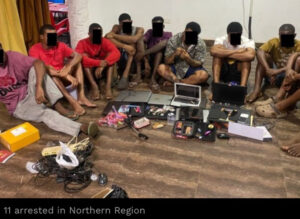 Ghana Police Arrest 11 Nigerians in Tamale Crackdown on Drugs, Cybercrime
 Malami Breaks Silence on INEC–ADC Dispute, Urges Calm Amid Political Tensions
 £746m Nigeria–UK Deal Sparks Debate Over Ajaokuta Steel’s Future
 FG Kicks Off 56km Ekiti–Osun Link Road to Boost Regional Trade
 Tinubu Condemns Plateau and Kaduna Attacks, Calls for Urgent Action Against Violence
 Tonto Dikeh Opens Up on Dark Past: From Cult Involvement to Spiritual Renewal
 Alleged Truck Tampering Lands Lagos Man in Court Over Theft Claims
 Senegal Tightens Anti-LGBTQ Laws, Doubles Prison Terms Amid Rights Concerns
Share this post with your friends on