







The Truth About Fuel Subsidy: Why Nigeria Could No Longer Afford It
The Truth About Fuel Subsidy: Why Nigeria Could No Longer Afford It
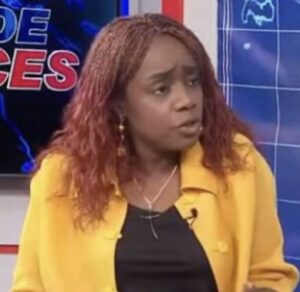
Former Minister of Finance, Kemi Adeosun, has stated that successive Nigerian governments were fully aware that fuel subsidies were severely damaging the country’s economy, but lacked the political will to end them.
Speaking on Channels Television’s *Inside Sources*, Adeosun explained that weak tax compliance—especially among high-net-worth individuals and large corporations—had long constrained government revenue. She also revisited the controversy that led to her resignation in 2018, following claims that the NYSC certificate in her official records was not authentic.
In May 2023, President Bola Tinubu officially announced the removal of fuel subsidies, a policy that had reportedly cost Nigeria about $74 billion (₦112.94 trillion) between 2005 and 2021. However, despite the declaration that subsidies were removed, the Nigerian National Petroleum Company Limited (NNPC) later disclosed massive “under-recovery” expenses. According to the Nigeria Extractive Industries Transparency Initiative (NEITI), the government incurred about ₦17.5 trillion in fuel-related and energy security costs by late 2024, further underscoring the enormous strain on public finances.
Reflecting on her time in government, Adeosun said it was common knowledge among ministers that the subsidy regime was unsustainable. She revealed that government investigations showed subsidised fuel was being smuggled across Nigeria’s borders into neighbouring countries.
According to her, fuel prices in Nigeria were significantly cheaper—by as much as 44 per cent—than in surrounding nations, making large-scale smuggling inevitable. At some point, official daily fuel consumption figures rose to around 65 million litres, a number that could not be justified by the country’s estimated vehicle population at the time.
“We ran the numbers and knew it didn’t add up,” she explained. “Nigeria had roughly 10 million cars then, so the figures made no sense.”
Despite this, she said the government hesitated to remove subsidies outright because of concerns about the immediate impact on citizens. Efforts such as the Subsidy Reinvestment and Empowerment Programme (SURE-P) and fuel tracking mechanisms were introduced instead. These measures eventually confirmed that Nigeria was effectively subsidising fuel consumption across West Africa.
Adeosun stressed that the funds spent on fuel subsidies could have been invested in critical sectors such as education, healthcare, and infrastructure, noting that there was little to show for the billions spent annually.
She welcomed the eventual removal of the subsidy under President Tinubu but emphasised that the real challenge now lies in ensuring the savings are used to improve the lives of ordinary Nigerians. She urged citizens to closely examine government budgets and hold leaders accountable for how public funds are allocated.
While acknowledging the short-term hardships caused by the policy change, Adeosun called for patience, saying the long-term benefits would outweigh the current difficulties. She pointed out that allocations to the Federation Account Allocation Committee (FAAC) have increased significantly since the subsidy removal.
Rather than relying on temporary relief measures, she argued that governments should focus on long-term, structural solutions that help people adapt to the new economic realities.
On the issue of her resignation, Adeosun said the NYSC controversy was exploited by powerful individuals who wanted her out of office. She revealed that she informed then-President Muhammadu Buhari of her decision to resign and her intention to pursue legal action to clear her name.
She said it was impossible to remain part of the Federal Executive Council while suing the government, adding that stepping down was the most honourable course of action.
“I couldn’t fight the government in court and still sit in the cabinet,” she said. “Leaving was the right thing to do.
TRENDING SONGS
 YOUNG FEMALE MORTICIAN REVEALS WHY MORTUARY ATTENDANTS KNOCK BEFORE ENTERING
 Sanwo-Olu Tours Massive Tolu Education Hub Set to Transform Learning for 20,000 Lagos Students
 Ghana Police Arrest 11 Nigerians in Tamale Crackdown on Drugs, Cybercrime
 Malami Breaks Silence on INEC–ADC Dispute, Urges Calm Amid Political Tensions
 £746m Nigeria–UK Deal Sparks Debate Over Ajaokuta Steel’s Future
 FG Kicks Off 56km Ekiti–Osun Link Road to Boost Regional Trade
 Tinubu Condemns Plateau and Kaduna Attacks, Calls for Urgent Action Against Violence
 Tonto Dikeh Opens Up on Dark Past: From Cult Involvement to Spiritual Renewal
 Alleged Truck Tampering Lands Lagos Man in Court Over Theft Claims
 Senegal Tightens Anti-LGBTQ Laws, Doubles Prison Terms Amid Rights Concerns
Share this post with your friends on