












Government Actions Could Drive Dangote Petrol Prices Below N600/Litre – Refiners Say
Government Actions Could Drive Dangote Petrol Prices Below N600/Litre – Refiners Say
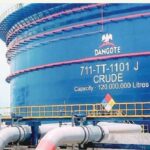
Recent insights from industry refiners suggest that strategic government interventions could lead to a significant reduction in the price of Dangote petrol, potentially bringing it below N600 per litre. This possibility has sparked discussions about the broader implications of policy decisions on fuel pricing and the overall economy.
The Current Landscape
In recent months, petrol prices in Nigeria have been under scrutiny, driven by fluctuating global oil prices and local economic conditions. Dangote, one of the largest oil producers in the country, has faced challenges in maintaining competitive pricing. As fuel costs continue to rise, consumers have felt the pinch, prompting calls for government action to stabilize prices.
Potential Government Interventions
Refiners believe that targeted government initiatives could create a more favorable environment for both production and distribution. Key actions might include:
1.Subsidies: Implementing temporary subsidies on fuel prices could provide immediate relief to consumers while allowing refiners to adjust their pricing strategies.
2.Tax Incentives: Offering tax breaks or incentives for local refining operations could encourage investments in technology and infrastructure, leading to increased efficiency and lower costs.
3.Regulatory Support: Streamlining regulations related to the oil and gas sector could enhance operational efficiency for refineries, reducing production costs that could be passed on to consumers.
4.Improved Infrastructure: Investing in transportation and storage infrastructure can help reduce logistics costs, making it easier for refiners to distribute fuel at lower prices.
The Economic Impact
Lowering petrol prices has far-reaching implications beyond just consumer relief. It could stimulate economic growth by reducing transportation costs for goods and services, thereby lowering inflationary pressures. Additionally, it could enhance the competitiveness of local industries that rely heavily on fuel.
Industry Response
The refining sector is optimistic about the potential for change. Many refiners are advocating for collaborative discussions with the government to explore viable solutions that benefit both the industry and consumers. With the right policies in place, they argue, it is entirely feasible to see petrol prices decline significantly.
Conclusion
As discussions around fuel pricing continue, the role of government action remains crucial. By considering interventions that support the refining sector, the government could not only drive down the price of Dangote petrol but also foster a more resilient economy. The potential to reduce prices below N600 per litre represents not just a win for consumers, but a significant step towards stabilizing Nigeria’s fuel market.
TRENDING SONGS
 YOUNG FEMALE MORTICIAN REVEALS WHY MORTUARY ATTENDANTS KNOCK BEFORE ENTERING
 Sanwo-Olu Tours Massive Tolu Education Hub Set to Transform Learning for 20,000 Lagos Students
 Ghana Police Arrest 11 Nigerians in Tamale Crackdown on Drugs, Cybercrime
 Malami Breaks Silence on INEC–ADC Dispute, Urges Calm Amid Political Tensions
 £746m Nigeria–UK Deal Sparks Debate Over Ajaokuta Steel’s Future
 FG Kicks Off 56km Ekiti–Osun Link Road to Boost Regional Trade
 Tinubu Condemns Plateau and Kaduna Attacks, Calls for Urgent Action Against Violence
 Tonto Dikeh Opens Up on Dark Past: From Cult Involvement to Spiritual Renewal
 Alleged Truck Tampering Lands Lagos Man in Court Over Theft Claims
 Senegal Tightens Anti-LGBTQ Laws, Doubles Prison Terms Amid Rights Concerns
Share this post with your friends on