









IOC Brings Back Gender Verification Tests Ahead of 2028 Los Angeles Olympics
IOC Brings Back Gender Verification Tests Ahead of 2028 Los Angeles Olympics
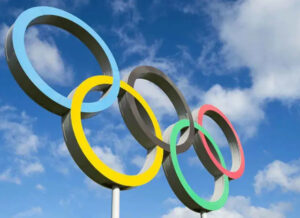
The International Olympic Committee (IOC) has announced a significant policy shift, confirming that genetic testing will be reintroduced to determine eligibility for participation in female events at the Olympic Games, starting from the 2028 edition in Los Angeles.
Under the new framework, athletes seeking to compete in women’s categories across all Olympic sports will be required to undergo a one-time screening focused on the SRY gene, a key genetic marker typically associated with male biological development. The IOC disclosed that the test could be conducted באמצעות saliva samples, cheek swabs, or blood analysis, and in most cases would only be required once in an athlete’s lifetime.
The development marks a return to a practice last seen at the Atlanta 1996 Olympics, signaling a major shift in how eligibility for female categories will be determined. According to BBC Sport, the decision reflects growing concerns within global sports governance about maintaining fairness in women’s competitions.
The move comes under the leadership of IOC President Kirsty Coventry and follows heightened debate sparked by controversies at the 2024 Paris Olympics. The women’s boxing event, in particular, drew global attention after eligibility disputes involving Algeria’s Imane Khelif and Taiwan’s Lin Yu-ting.
Both athletes had earlier been disqualified from the 2023 World Championships by the International Boxing Association (IBA), which cited failed eligibility criteria. However, the IOC permitted their participation in Paris, criticising the IBA’s decision as abrupt and lacking due process—a stance reported by The Guardian at the time.
Despite the controversy, Khelif and Lin went on to secure gold medals in their respective categories, further intensifying discussions around fairness and regulatory standards in women’s sports.
Subsequent developments have seen Lin Yu-ting cleared to compete in female divisions by World Boxing, the organisation now set to oversee boxing events at the Los Angeles 2028 Olympics. As noted by Reuters, this divergence in regulatory approaches across governing bodies has added complexity to the broader conversation.
With the reintroduction of gender verification testing, the IOC appears to be seeking a more unified and scientifically grounded framework. However, the decision is expected to continue generating debate among athletes, medical experts, and human rights advocates as preparations for the 2028 Games gather momentum.
TRENDING SONGS
 YOUNG FEMALE MORTICIAN REVEALS WHY MORTUARY ATTENDANTS KNOCK BEFORE ENTERING
 Sanwo-Olu Tours Massive Tolu Education Hub Set to Transform Learning for 20,000 Lagos Students
 Ghana Police Arrest 11 Nigerians in Tamale Crackdown on Drugs, Cybercrime
 Malami Breaks Silence on INEC–ADC Dispute, Urges Calm Amid Political Tensions
 £746m Nigeria–UK Deal Sparks Debate Over Ajaokuta Steel’s Future
 FG Kicks Off 56km Ekiti–Osun Link Road to Boost Regional Trade
 Tinubu Condemns Plateau and Kaduna Attacks, Calls for Urgent Action Against Violence
 Tonto Dikeh Opens Up on Dark Past: From Cult Involvement to Spiritual Renewal
 Alleged Truck Tampering Lands Lagos Man in Court Over Theft Claims
 Senegal Tightens Anti-LGBTQ Laws, Doubles Prison Terms Amid Rights Concerns
Share this post with your friends on