












See the Billions of Littre Petro Nigeria’s Local Refineries Generated – NBS Report
See the Billions of Littre Petro Nigeria’s Local Refineries Generated – NBS Report
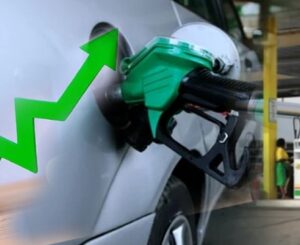
Between 2015 and 2019, Nigeria produced only 1.46 billion litres of petrol due to the underperformance of its refineries, as noted in a recent report by the National Bureau of Statistics (NBS). This information was part of the 2023 Petroleum Products Distribution Statistics.
The report highlighted that the volume produced during this period is insufficient for even two months of national consumption. Specifically, petrol production figures included 377.9 million litres in 2015, 1.05 million litres in 2016, 951.56 million litres in 2017, and 128.1 million litres in 2019, with no production recorded in 2018.
From 2020 to 2023, only diesel and kerosene were produced via modular refineries, as the country’s primary refineries remained inactive. Consequently, Nigeria imported over 20 billion litres of petrol in 2023, which is three billion litres less than the 23 billion litres imported in 2022. The report noted that 20.30 billion litres of Premium Motor Spirit were brought in last year, marking a 13.77 percent decline compared to 23.54 billion litres in 2022. Similarly, PMS truck-out figures stood at 20.22 billion litres, down 16.96 percent from 24.35 billion litres in 2022.
The Federal Government has attributed the reduction in imported petrol to the removal of subsidies. Locally, approximately 69.71 million litres of kerosene were produced in 2023, a significant increase from 44.68 million litres in 2022. For automotive gas oil (diesel), production rose to 109.39 million litres in 2023, compared to 102.47 million litres in the prior year, reflecting a 6.76 percent increase.
Additionally, imports of automotive gas oil reached 4.94 billion litres in 2023, a rise of 23.66 percent from 4.00 billion litres the previous year. Despite its status as an oil-rich country, Nigeria continues to rely on imported petrol due to insufficient refining capacity.
However, the situation may improve with the recent commencement of petrol production at the Dangote refinery in September. Aliko Dangote, President of the Dangote Group, has expressed confidence that the refinery will eventually eliminate the need for fuel imports once fully operational.
TRENDING SONGS
 Osimhen Eyes Swift Comeback After Successful Arm Surgery
 Chukwueze Among Premier League’s Most Fearless Attackers
 Boniface Back in Bremen as Recovery Nears Competitive Return
 Healthcare Experts Urge FG to Make Blood Pressure Drugs Free Amid Rising Hypertension Burden
 Angry Crowd Storms Ogoja Police Station Over Murder Suspect in Cross River
 Chelle Sticks with Current Squad Despite Onyemaechi and Ajayi Absences Ahead of Jordan Clash
 Ministers’ Resignations Spark Speculation Ahead of 2027 Elections
 Fuel Imports Return as Five Vessels Berth in Lagos to Ease Shortage Fears
 ₦2.3tn Security Fund Uncovered as Fresh Killings Expose Deepening Crisis
 2027: NNPP Signals Presidential Alliance with ADC as Kwankwaso Finalises Defection
Share this post with your friends on