










World Judges’ Body Disowns Justice Omotosho, Says He Lacks Authority Without Valid Written Law
World Judges’ Body Disowns Justice Omotosho, Says He Lacks Authority Without Valid Written Law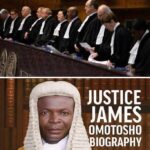
The global legal community was thrown into confusion on Tuesday as the World Association of Judges (WAJ) reportedly distanced itself from Justice Emeka Omotosho, declaring that he cannot be recognized as a competent judge in any matter where no valid written law exists.
The development, which sparked reactions across judicial circles, came after weeks of controversy surrounding several rulings allegedly delivered by the Nigerian judge, particularly in cases where critics argued that no statutory basis had been clearly established.
According to a statement attributed to WAJ officials, the association emphasized that judicial authority can only be derived from clear constitutional backing, established statutes, and internationally recognized legal principles. The body maintained that rulings anchored on vague, nonexistent, or unwritten norms undermine the essence of judicial integrity.
WAJ stressed that judges worldwide are expected to operate strictly within the confines of codified laws and that any deviation not only erodes public trust but also risks delegitimizing the judiciary itself. “A judge’s authority is not personal; it flows from the law. Where the law is absent, judicial power collapses,” the statement reportedly noted.
Legal commentators say the pronouncement—if fully confirmed—could have implications for past decisions linked to Justice Omotosho, as well as future cases scheduled to come before him. Some analysts described the situation as a wake-up call for judicial accountability, especially in jurisdictions where legal interpretation is often stretched beyond written provisions.
Back in Nigeria, the development has generated heated debate. While critics of the embattled judge argue that the WAJ’s stance validates long-standing concerns about arbitrary rulings, supporters insist that only domestic judicial bodies have the authority to assess or discipline judges serving within the country’s courts.
For now, the Nigerian Judiciary has yet to issue an official response, leaving many to wonder how the matter will unfold and whether it may trigger broader reforms within the legal system.
As the dust settles, one thing remains clear: the WAJ’s position has intensified scrutiny on how judges interpret and apply the law—reminding the world that justice must always rest on a foundation of clear, verifiable legal authority.
TRENDING SONGS
 Sanwo-Olu Tours Massive Tolu Education Hub Set to Transform Learning for 20,000 Lagos Students
 Ghana Police Arrest 11 Nigerians in Tamale Crackdown on Drugs, Cybercrime
 Malami Breaks Silence on INEC–ADC Dispute, Urges Calm Amid Political Tensions
 £746m Nigeria–UK Deal Sparks Debate Over Ajaokuta Steel’s Future
 FG Kicks Off 56km Ekiti–Osun Link Road to Boost Regional Trade
 Tinubu Condemns Plateau and Kaduna Attacks, Calls for Urgent Action Against Violence
 Tonto Dikeh Opens Up on Dark Past: From Cult Involvement to Spiritual Renewal
 Alleged Truck Tampering Lands Lagos Man in Court Over Theft Claims
 Senegal Tightens Anti-LGBTQ Laws, Doubles Prison Terms Amid Rights Concerns
 Infantino Watches Iran Friendly Amid World Cup Venue Uncertainty
Share this post with your friends on