











FG Sets Up Special Team to Ensure Direct Fund Distribution to 774 LGAs Across Nigeria
FG Sets Up Special Team to Ensure Direct Fund Distribution to 774 LGAs Across Nigeria
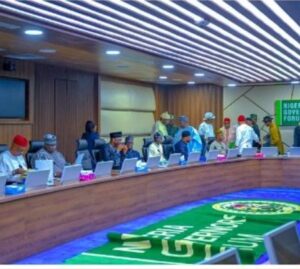
The Federal Government has established a specialized unit within the Office of the Accountant General of the Federation (OAGF) to oversee the direct disbursement of funds to all 774 local government areas (LGAs) across Nigeria, as part of the rollout of financial autonomy for local governments, set to begin this month.
The first meeting of the Federation Account Allocation Committee (FAAC) for the year is scheduled for Wednesday, with a focus on operational details related to the new direct allocation process to the LGAs, as reported by The Nation.
According to sources at the OAGF, the necessary infrastructure and systems have been put in place to ensure smooth implementation of the new process. “The majority of the 774 LGAs will start receiving their allocations directly from January 2025,” one source said. “We will reconvene later this month to assess the progress and finalize the procedures before the Accountant-General of the Federation authorizes the full implementation.”
The new initiative follows the Supreme Court ruling mandating the direct allocation of revenue to local councils. The committee charged with enforcing this decision is led by the Secretary to the Government of the Federation, Chief George Akume, and includes representatives from key ministries. Sources noted that Finance Minister Wale Edun had given prior approval for the direct allocation.
A key source emphasized that there would be no challenges in executing the Minister’s directive, as similar processes have been conducted regularly for states. “A dedicated department is handling it, so we are confident in a smooth rollout,” the source added.
The Inter-Ministerial Committee will also address concerns about attempts by some governors to undermine the autonomy of locally elected officials, including chairmen and councilors. Legal sources confirmed that the committee is working diligently to ensure compliance with the Supreme Court ruling.
The financial autonomy initiative aims to promote grassroots development and reduce governors’ control over local government funds. Many states have already taken steps to align with federal requirements, particularly by ensuring that local councils are managed by democratically elected officials. As part of this, elections have been held in numerous states, with Lagos and Ondo states set to conduct theirs soon.
In Adamawa State, Information and Strategy Commissioner James Iliya reaffirmed the state’s support for the financial autonomy policy, stating that the state government is aligned with the federal stance on local council autonomy.
The Supreme Court’s ruling found it unconstitutional for state governors to withhold funds allocated to local governments, emphasizing that these allocations should be paid directly to the councils. While some governors had initially sought a phased implementation, the federal government has insisted on full compliance, warning that states without democratically elected local officials would face revenue sanctions, prompting many states to conduct local elections.
TRENDING SONGS
 YOUNG FEMALE MORTICIAN REVEALS WHY MORTUARY ATTENDANTS KNOCK BEFORE ENTERING
 Sanwo-Olu Tours Massive Tolu Education Hub Set to Transform Learning for 20,000 Lagos Students
 Ghana Police Arrest 11 Nigerians in Tamale Crackdown on Drugs, Cybercrime
 Malami Breaks Silence on INEC–ADC Dispute, Urges Calm Amid Political Tensions
 £746m Nigeria–UK Deal Sparks Debate Over Ajaokuta Steel’s Future
 FG Kicks Off 56km Ekiti–Osun Link Road to Boost Regional Trade
 Tinubu Condemns Plateau and Kaduna Attacks, Calls for Urgent Action Against Violence
 Tonto Dikeh Opens Up on Dark Past: From Cult Involvement to Spiritual Renewal
 Alleged Truck Tampering Lands Lagos Man in Court Over Theft Claims
 Senegal Tightens Anti-LGBTQ Laws, Doubles Prison Terms Amid Rights Concerns
Share this post with your friends on